
Which Lithium Battery Type Is Best for Solar?
However, the selection of the correct lithium battery type for solar storage is no longer based on the energy density. Today, there are a number of different lithium chemistries to choose from. These different lithium chemistries have different characteristics when used in real-world solar storage.
For lithium batteries, the main concern might be size. For other batteries, the main concern might be safety or long-term durability. However, for solar storage, the main concern is different. Instead of energy density, the main concern for solar storage might be long cycle life, stability, and low maintenance.
The most common lithium battery chemistries used in solar storage are as follows:
- LiFePO4 (Lithium Iron Phosphate)
- NMC (Nickel Manganese Cobalt)
- NCA (Nickel Cobalt Aluminum)
- LTO (Lithium Titanate)
Of the different lithium chemistries, the two most common lithium chemistries used in solar storage are LiFePO4 and NMC. By understanding the different lithium chemistries, the best lithium battery type for the solar storage environment can be determined.
Why Lithium Battery Type Matters for Solar Systems
Batteries used in solar systems are different from those used in cars or electronics. In solar systems, batteries are normally charged during the day and discharged at night. This causes stress on the battery over time.
This means solar storage systems need:
- High cycle life
- Good thermal stability
- Good long-term performance
- Low maintenance
Since solar batteries are stationary and do not move around as in electric cars, weight and size are no longer significant factors. However, lifespan is now a critical factor. Although a battery may be slightly more expensive, if it lasts longer, then it will prove to be more cost-effective in the long run.
This has made lithium battery types one of the most important considerations in solar system design.
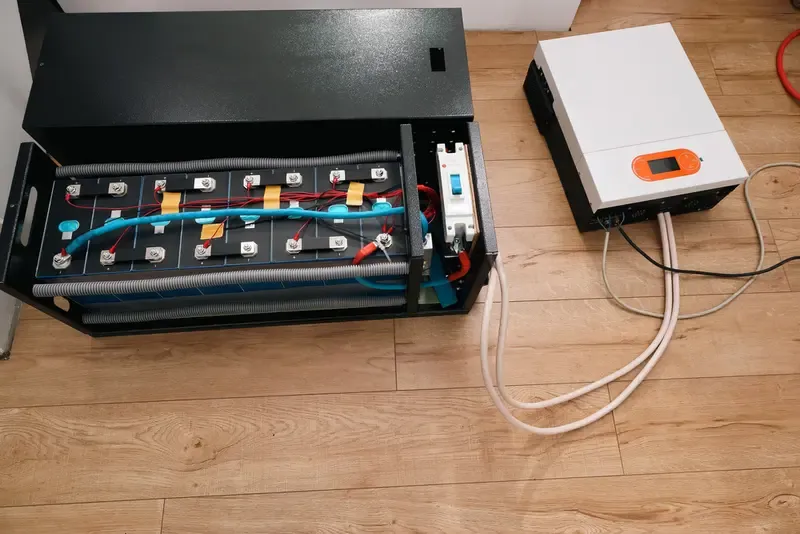
Comparing the Main Lithium Chemistries
However, every chemistry has its advantages. Some may be more suited for mobility, whereas others may be more suited for stationary storage.
LiFePO4 Battery Type
This type of LiFePO4 battery is commonly used in solar power storage systems. The focus of this chemistry is on stability and lifespan.
Some of the common traits of this chemistry include:
- Long cycle life, measured in thousands of cycles
- High thermal stability
- Reduced possibility of overheating
- Long-term performance consistency
- Slightly reduced energy density
For solar systems, the reduced energy density may not be a significant disadvantage. The systems tend to have enough space to accommodate slightly larger batteries.
Another advantage of LiFePO4 batteries is their performance consistency over long periods. This makes the LiFePO4 chemistry quite appealing to homeowners.
NMC Lithium Battery Type
NMC batteries are constructed with a greater density of energy. This means there is more power contained in a smaller space.
Standard properties for NMC batteries:
- Greater density of energy
- Lighter weight
- Faster charging
- Shorter life cycle compared to LiFePO4
- Greater sensitivity to temperature
NMC batteries are commonly used in electric cars and other mobile electronics. Space is important for these types of applications. However, for solar power systems, lifespan is more important than size.
Other Lithium Cell Types
Other lithium types exist beyond LiFePO4 and NMC. However, these are less common in solar systems.
NCA batteries have high density but are normally optimized for use in mobility applications. LTO batteries have extremely high cycle life but are normally more expensive. Some solar systems use LMO batteries. However, this is less common for long-term solar storage applications.
Other lithium types are still used in solar systems. However, for most residential and commercial solar applications, LiFePO4 and NMC are normally used for comparison purposes.
LiFePO4 vs NMC for Solar Storage
The trade-offs between lithium battery types for solar applications are easier to understand.
| Feature | LiFePO4 | NMC |
| Cycle Life | Longer | Shorter |
| Safety | Very High | Moderate |
| Energy Density | Lower | Higher |
| Thermal Stability | Excellent | Moderate |
| Maintenance | Low | Moderate |
| Best Use | Solar Storage | Portable / EV |
This is why LiFePO4 batteries are preferred by most solar installers for stationary solar systems.
Safety Considerations for Solar Lithium Batteries
Safety is an important factor when choosing the type of lithium battery. This is because solar batteries are often placed in indoor locations, garages, or living spaces.
LiFePO4 batteries have good thermal performance. They can operate well at high temperatures. They are less likely to have thermal runaway. This is why LiFePO4 batteries are best for long-term use in solar systems.
Although NMC batteries are safe, they need better battery management systems. Simplicity is often better than performance in solar systems.
This is why safety differences between lithium batteries can affect their maintenance and long-term performance.
Cost vs Long-Term Value
The upfront cost is just one factor to consider. A battery with a longer lifespan may have greater overall value, even if it means a higher upfront cost.
Let's look at some factors:
- More cycles mean less replacement
- Better performance means better efficiency
- Less replacement means less cost
LiFePO4 batteries can be a good fit for this situation. These batteries are long-lasting and can be used on a daily cycle for many years.
NMC batteries can still be a good fit in some situations, especially when there is limited space for installation. However, for most solar panel systems, lifespan is more important than size.
When NMC Lithium Batteries May Still Make Sense
Though LiFePO4 is often preferred, there are circumstances under which NMC batteries can be useful too. These circumstances include:
- Limited installation space
- Portable solar systems
- Lightweight mobile applications
- Backup systems with infrequent usage
In all these cases, energy density can offer advantages. However, for permanent solar installations, it is often the reliability factor that is most critical.
Which Lithium Battery Type Is Best for Solar?
In most cases, for solar installations, LiFePO4 batteries offer the most compelling balance of:
- Long lifespan
- Safety margins
- Performance consistency
- Low cost of ownership
NMC batteries can be useful when space is at a premium, but for solar, it is often not an optimal solution for long-term storage.
There are other types of Lithium batteries, but these are specialized applications.
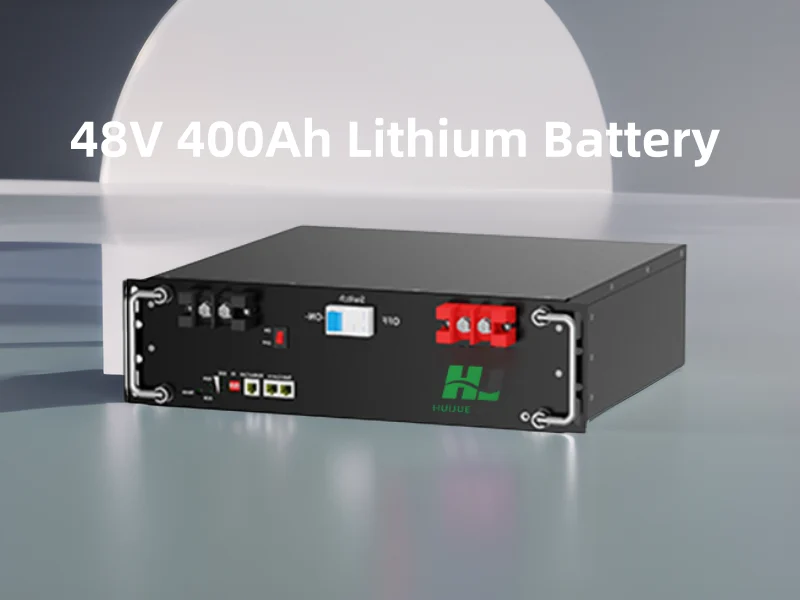
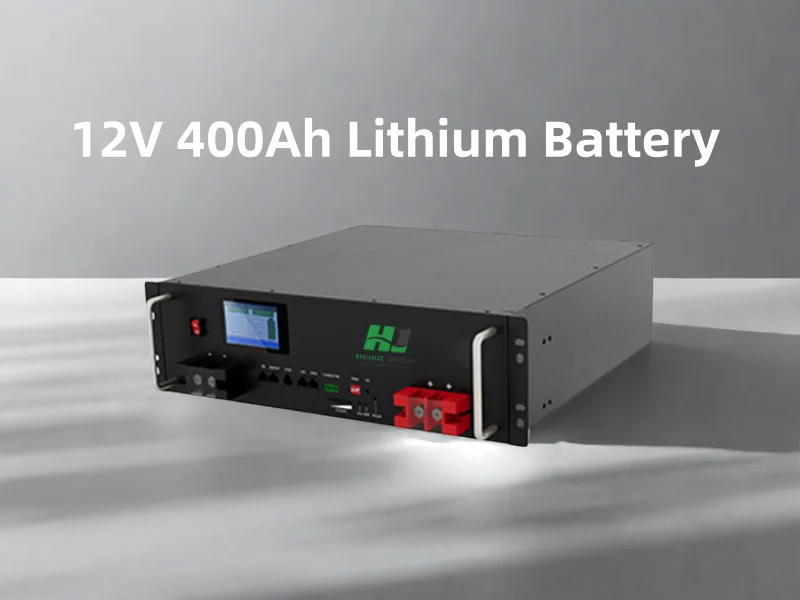
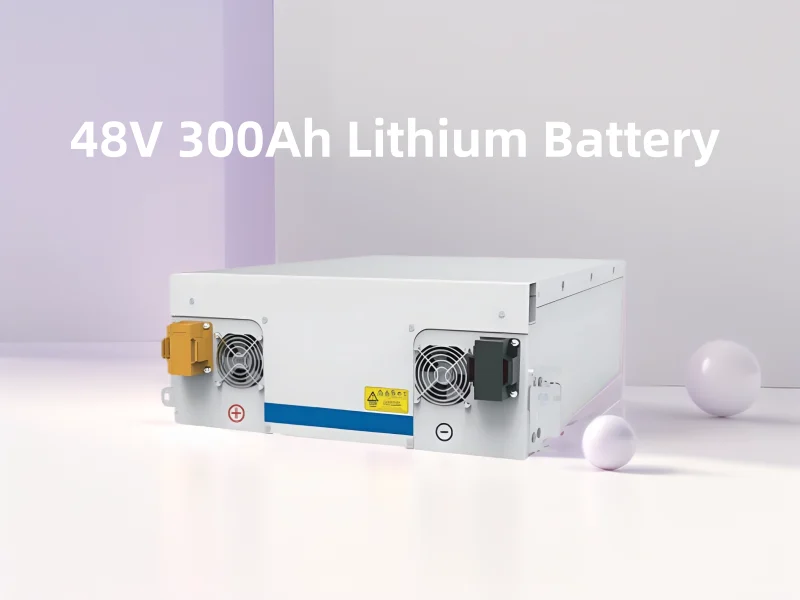
Final Thoughts
The selection of the best lithium chemistry for solar batteries depends on the matching of the chemistry with the long-term needs of the system. This is because solar batteries are required to operate daily and for long periods.
LiFePO4 batteries may be more suitable in matching the above conditions compared to other lithium chemistries. If your main goal is durability and long-term value, then LiFePO4 would be the most viable option.
About the Author