
Best Home Solar Panels In Pakistan
Selecting the right residential solar panels can be challenging. Considering several varieties, selecting one can be quite difficult due to various reasons related to efficiency, price, and longevity. In this guide, we will explore how to properly evaluate and choose the best solar panels for home use.
Basics of Residential Solar Panels
Residential solar panels utilize PV cells to transform sunlight into usable electricity that can run your home appliances, cut down your electricity expenses, and even generate income by selling excess electricity back to the electricity company. The U.S. Department of Energy’s Homeowner’s Guide to Solar explains that understanding your home’s energy consumption is the first step toward selecting an appropriate solar panel system.
In assessing panel options, take note of three major kinds of photovoltaic cells:
- Monocrystalline panels:High-efficient and durable, ideal in areas where space is constrained.
- Polycrystalline panels:Less efficient yet cheaper than monocrystalline panels; best installed on roofs with enough space.
- Thin-film panels: Lightweight and flexible yet less efficient, perfect for installing in unique places.
Establishing the House Energy Requirement
Prior to buying solar panels, estimate how much energy you use in your household. Look back at previous electricity bills to identify monthly consumption. The Homeowner’s Guide to Solar proves that an average American household uses 877 kilowatt hours monthly, but this will depend on location and season. Being aware of your energy requirement will give you an idea of how many and what kind of panels you need.
The homeowner should also anticipate any future developments like owning electric cars and building additional structures that will increase energy requirements.
Assessing Roof Suitability and Orientation
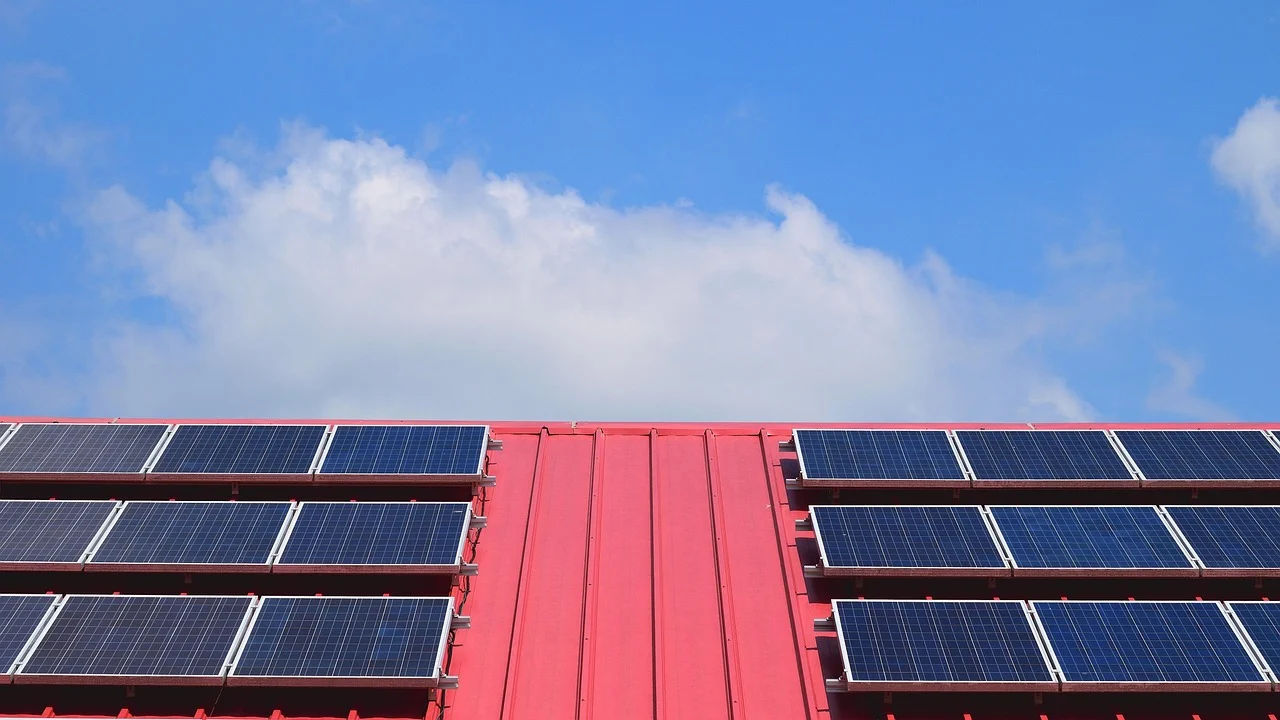
Not all roofs are perfect for mounting solar panels. Considerations to consider include:
- Roof Orientation:The roof should be south facing in case one lives in the Northern Hemisphere.
- Roof Pitch:Solar panels should be mounted according to the angle of the latitude.
- Shading: Trees, chimneys, and other structures can reduce the performance of the panel.
- Roof Condition:Installing a solar panel on a dilapidated roof requires repairs before the process.
According to the U.S. Department of Energy, it is essential to conduct a roof inspection before installing solar panels for maximum efficiency.
Evaluating Efficiency and Output
Solar panel efficiency is the measure of the conversion ratio from light to electrical power. High efficiencies increase the amount of energy produced in less area. However, high-efficient panels have relatively higher prices. Therefore, individuals who lack enough space on their roofs must consider efficiency. In this regard, monocrystalline solar panels have an average efficiency of above 20%. On the other hand, polycrystalline solar panels average between 15% and 18%.
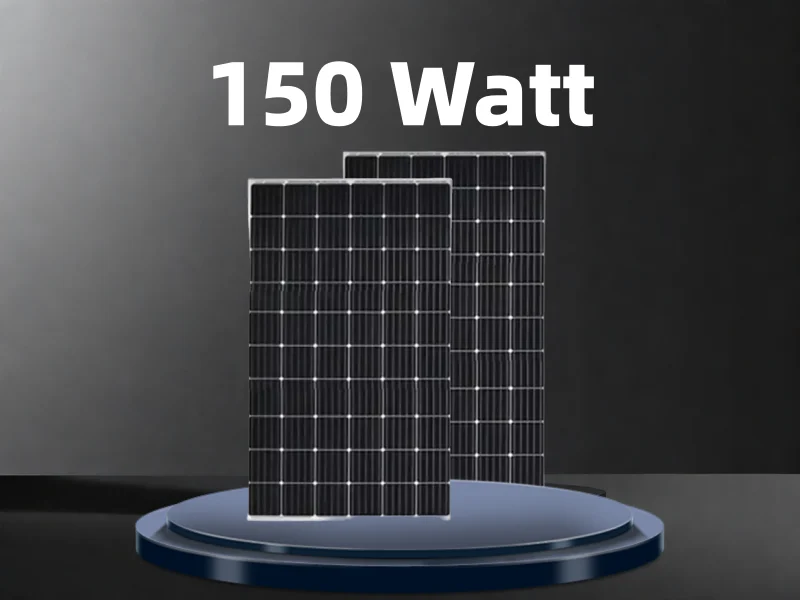
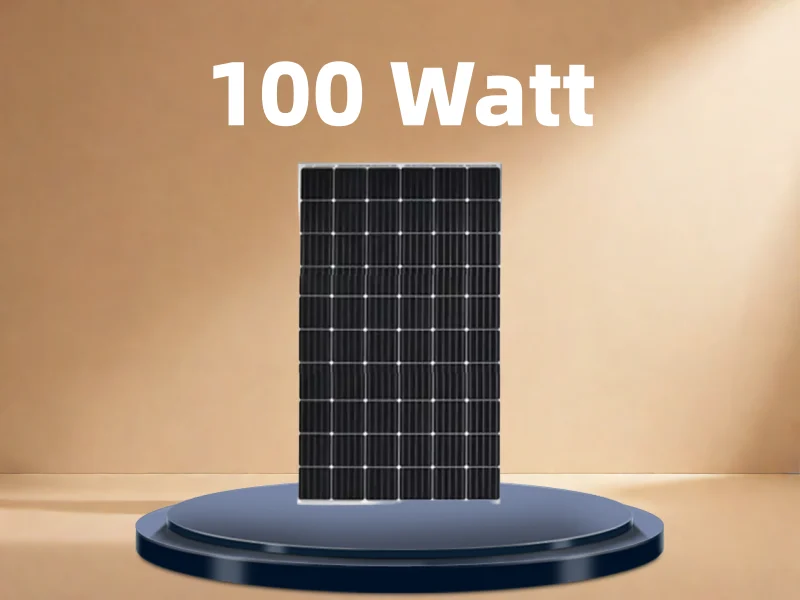
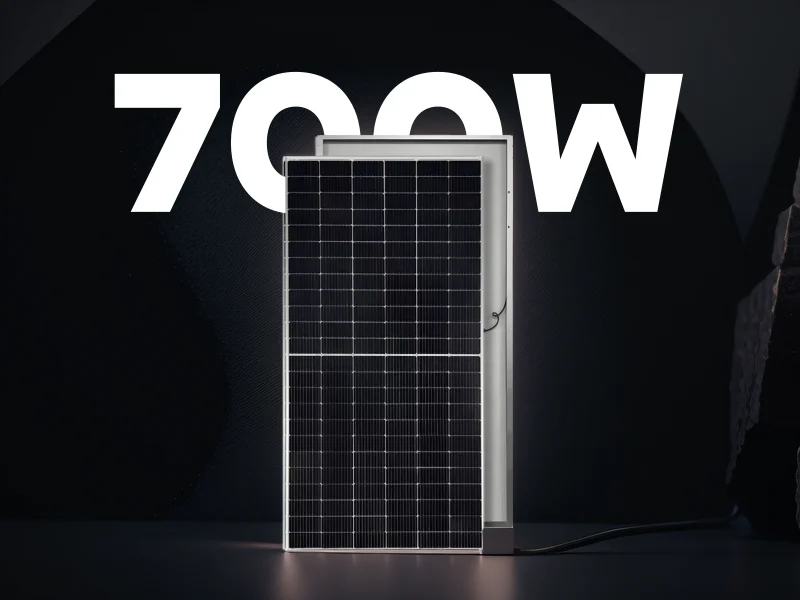
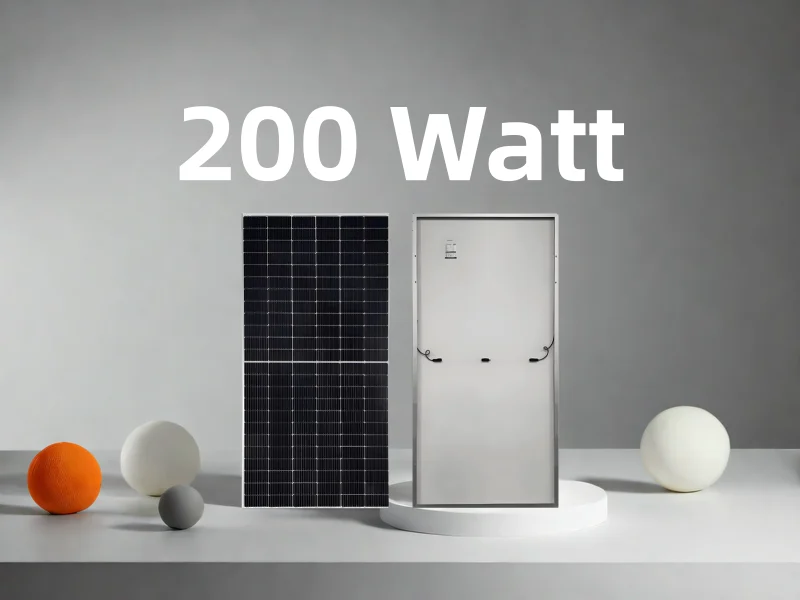
Panel output is expressed in terms of wattage. An individual residential panel produces 250-400 watts. For meeting the demand of energy at home, calculate the kilowattage.
Cost Considerations and Incentives
Solar panel installation comes with some upfront costs for equipment and installation but financial benefits may outweigh expenses:
- Federal tax credits:Lower the cost of the solar setup through a percentage of the total price of the installation.
- State incentives:Offer rebates or performance incentives that vary by state.
- Net metering policies:Let people return any extra energy generated from the solar installation into the grid.
Finding a Reliable Installer
Using an installer with certification guarantees proper installation and adherence to safety measures. Tips for selecting an installer are:
- Checking for a valid license and insurance.
- Seeking referrals and previous work.
- Learning about warranties for both the panels and installation process.
An experienced installer optimizes the system design and maximizes its efficiency.
Maintenance and Longevity
Solar panels need little maintenance but should be inspected occasionally. Some suggestions to ensure smooth functioning of solar panels are as follows:
- Keeping panels clean by removing dirt and dust.
- Checking performance regularly.
- Fixing small problems early to avoid big ones.
Solar panels generally come with a warranty ranging from 20-25 years, after which they still work well and generate electricity with proper maintenance.
Evaluating Environmental Effect
Using solar energy means less consumption of non-renewable energy and helps decrease the carbon footprint of households. Installation of solar energy in homes is environmentally sustainable.
Making the Final Decision
The choice of the most suitable solar panels for residential use is influenced by a number of considerations:
- Energy requirements and compatibility with the roof.
- Efficiency of the panels and power generated.
- Budget constraints and available incentives.
- Installer reliability and warranty coverage.
By carefully considering these factors, homeowners can make an informed decision that balances cost, performance, and long-term benefits.
About the Author