
Solar Plate Life: How Long Do Solar Panels Last?
The idea of solar power systems as investments for the future is always accompanied by the question of how long the solar plate will last. This question usually comes up at the beginning of the decision process.
The truth, however, is that solar plates are designed to last for long periods of time. Some solar power systems installed decades ago are still operational. However, the real question is how long the solar panel will last, and the answer varies depending on several factors.
The question of how solar plates age and what affects their durability helps set the right expectations before investing in solar power.
Typical Solar Plate Life Expectancy
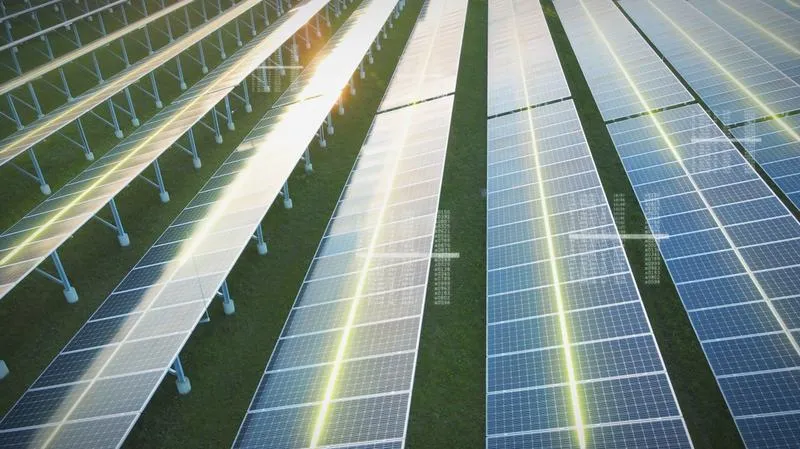
In most cases, it is safe to assume that a solar panel system is able to function well within a period of 25 to 30 years or even more. It is essential to note that when we talk of 25 to 30 years, it is not meant that after this period, the system stops producing electricity. Rather, it means that it continues producing electricity at a very good level.
The U.S. Department of Energy’s publication Solar Photovoltaic Technology Basics explains that photovoltaic panels convert sunlight into electricity using semiconductor materials and are engineered for long operational lifetimes in outdoor conditions.
Over time, panels gradually produce slightly less electricity each year. This natural process is referred to as performance degradation.
What the 25-Year Benchmark Really Means
Many solar panels come with a 25-year performance warranty, and this has caused some people to think that the panels stop working after 25 years. This is, however, not the case, and solar panels can still produce electricity long after the warranty has expired.
The 25-year benchmark essentially means that the solar panels can still function at 80-90% of their original capacity. After this, there may be some decline in electricity production, but the panels can still function for many years.
The warranty essentially does not mean the end of the solar panels’ life.
Why Solar Panels Last So Long
Solar technology may appear to be simple on the surface, but its longevity is made possible by materials and design.
Durable Materials and Layered Construction
A typical solar panel consists of multiple layers that provide protection to the sensitive photovoltaic cells:
| Layer | Function |
| Tempered glass | Protects cells from weather and impact |
| Encapsulation layer | Shields cells from moisture and corrosion |
| Silicon solar cells | Convert sunlight into electricity |
| Backsheet | Provides electrical insulation |
| Aluminum frame | Adds structural support |
The tempering of the glass surface is of particular significance. It ensures protection against rain, wind, and hail while allowing sunlight to pass through effectively.
No Moving Parts
Another important factor that ensures the longevity of solar panels is that there are no moving parts. It is unlike other electricity-producing devices that use mechanical movements to produce electricity.
Solar panels use only solid-state physics to produce electricity. There is no use of gears or any other mechanical devices.
Factors That Influence Panel Lifespan
While solar technology is inherently durable, there are various external factors that may impact solar plate longevity.
Climate and Environmental Conditions
Solar panels installed in mild climates tend to have longer lifetimes compared to those installed in extreme climates. Various climatic conditions that may impact solar plate longevity include:
- Intense heat
- Intense temperature fluctuations
- Excessive snowfall
- Intense winds
- Exposure to coastal salt
Thermal expansion and contraction may impact solar plate longevity over decades.
Installation Conditions
Installation conditions may significantly impact solar plate longevity. Various installation conditions include:
- Weak roof installations
- Improper wiring
- Improper ventilation
Structural installations
Proper solar panel installations ensure that solar panels are well-secured and can efficiently dissipate heat.
Maintenance and Cleaning
Solar panels require little maintenance, but it is important to take a few precautions to increase their life expectancy.
Solar panels are exposed to dust, leaves, and other particles that may hinder their performance. Cleaning and checking them from time to time is important to ensure that all the plates are performing optimally.
Solar Panel Degradation Over Time
Every solar panel is subject to a gradual reduction in performance over a given period of time. This is a normal process and is expected to happen to every panel.
Most solar panels are known to reduce their performance by 0.5% every year on average.
How Performance Changes Over Decades
The following is a demonstration of a typical solar panel performance reduction pattern:
| Years in Service | Approximate Output |
| Year 1 | 100% |
| Year 10 | ~95% |
| Year 20 | ~90% |
| Year 25 | ~85% |
| Year 30 | ~80% |
In fact, even after three decades, they are still able to produce a significant amount of electricity.
This is the reason many solar panels installed in the 1980s and 1990s are still producing electricity today.
What Happens When Solar Panels Reach the End of Life
Eventually, solar panels will reach the end of life, and the electricity they are producing will be so low that it is no longer worth operating.
This is not as early as most people think, though.
In fact, solar panels do not stop working suddenly. Rather, they gradually deteriorate over time until it is economically viable to replace them.
Replacement vs Continued Use
For panels that have aged over time, two alternatives are available for owners of such systems:
- Replace panels with more modern and more efficient ones
- Continue using the panels if electricity generated is sufficient
This is because modern solar panels have more efficiency compared to older ones; hence, replacing old panels with new ones may result in more overall production with fewer panels.
Tips to Maximize Solar Plate Life
Although the lifespan of panels is largely dependent on the manufacturing process, there are several steps that can be followed to increase the lifespan of the panels.
1.Use high-quality panels with long performance warranties
2.Ensure proper installation by qualified and experienced installers
3.Avoid installing panels in shaded areas, if possible
4.Regularly check the panels for debris and damage
5.Ensure proper airflow for panels installed on the rooftop
These are simple steps that can be followed to ensure the stability and consistency of electricity generation for decades.
The Bottom Line
Solar power systems are designed to be long-lasting. In fact, under normal circumstances, it is common to find that the average lifespan of a solar plate is 25 to 30 years or more.
Having an understanding of degradation, what affects panel longevity, and how it is affected by installation conditions is an important factor in establishing what to expect from a solar panel over time.
For anyone who is thinking of harnessing solar power as a means of electricity generation at home or at work, it is important to note that it is not a complex affair. With a reliable system and proper installation, as well as regular maintenance, it is possible to have a system that generates electricity over time while at the same time paying back its initial cost.
About the Author