
Best Inverter Size for Solar Panels
Choosing the best inverter size for solar panels looks straightforward at first, yet it’s one of the most common places where systems are overdesigned or mispriced. The core issue is simple: solar panels are rated under ideal test conditions, while homes and rooftops are anything but ideal. Once you understand how panels actually behave throughout the year, inverter sizing becomes much more intuitive and far less risky.
What does inverter size actually mean on a solar system?
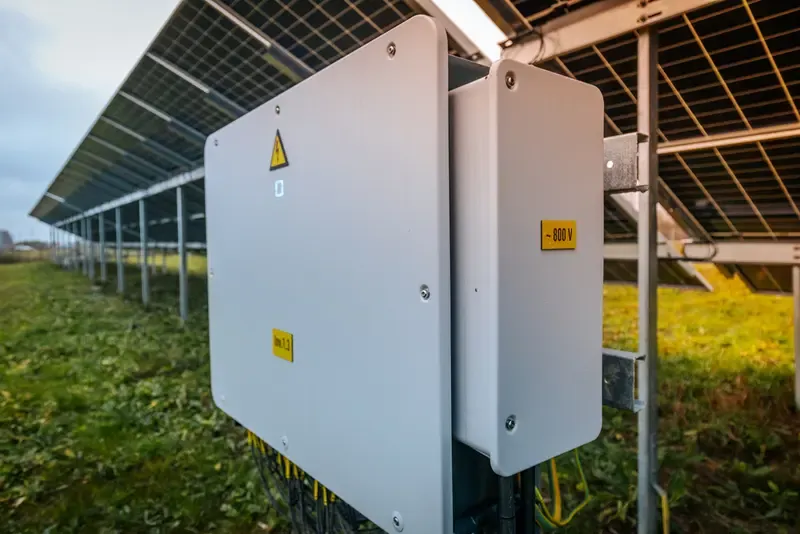
The size of an inverter defines how much AC power it can deliver at any instant. Solar panels, in contrast, are rated by DC output under standard laboratory conditions. These two ratings are not intended to match.
Why panel ratings don’t reflect daily reality
The National Renewable Energy Laboratory published Procuring Solar Energy: A Guide for Federal Facility Decision Makers shows that solar panels almost never operate at their nameplate DC rating in real-world conditions due to temperature effects, irradiance variability, and unavoidable system losses. In practice, panels spend most of their operating life below their rated maximum, even on clear days.
This discrepancy between the two laboratory ratings and the real output forms the starting point in understanding why inverter capacity is generally smaller than total panel capacity.
The ratio of DC to AC plays what role?
The ratio of DC to AC compares the total DC capacity of the panels to the AC capacity of the inverter. A ratio greater than 1.0 indicates that the panels are "oversized" relative to the inverter. Far from being an error, this is actually an intentional design strategy utilized to increase annual energy yield and better utilize equipment.
What inverter size is the best for the majority of residential systems?
This is not a single number that works for every home, but there is a range that continuously yields a good result.
Typical inverter sizing ranges
Residential systems commonly use inverters that are about 75%–90% of the total panel DC rating. That reflects how often panels actually reach peak output and how rarely the inverter would otherwise operate at full load.
Municipal installation guidance from Guide to Installing a Solar PV System published by Seattle City Light, explains that residential systems are designed around real operating conditions rather than theoretical maximums. As a result, modest inverter undersizing is treated as standard practice rather than an exception.
Practically speaking:
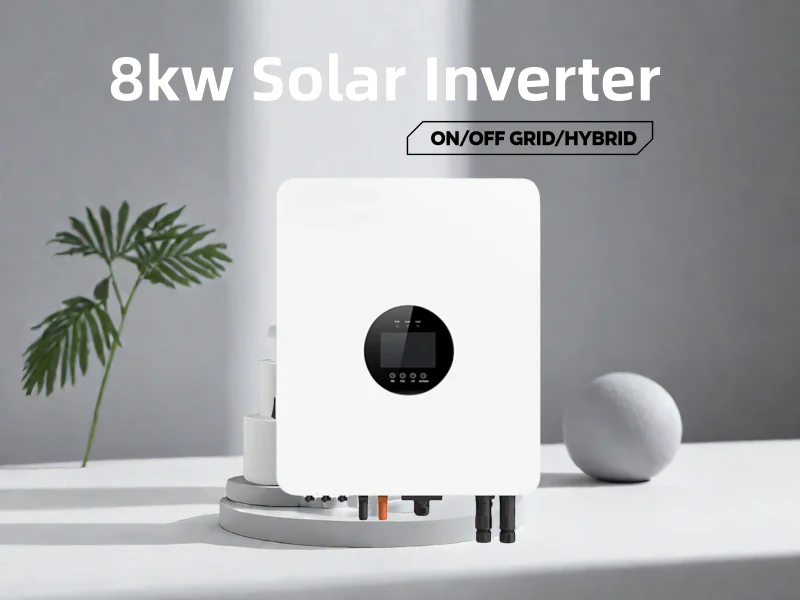
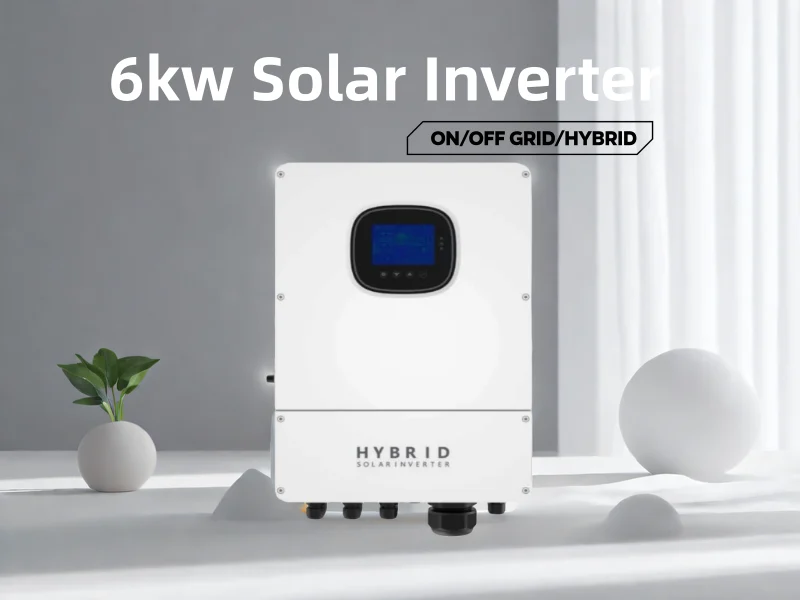
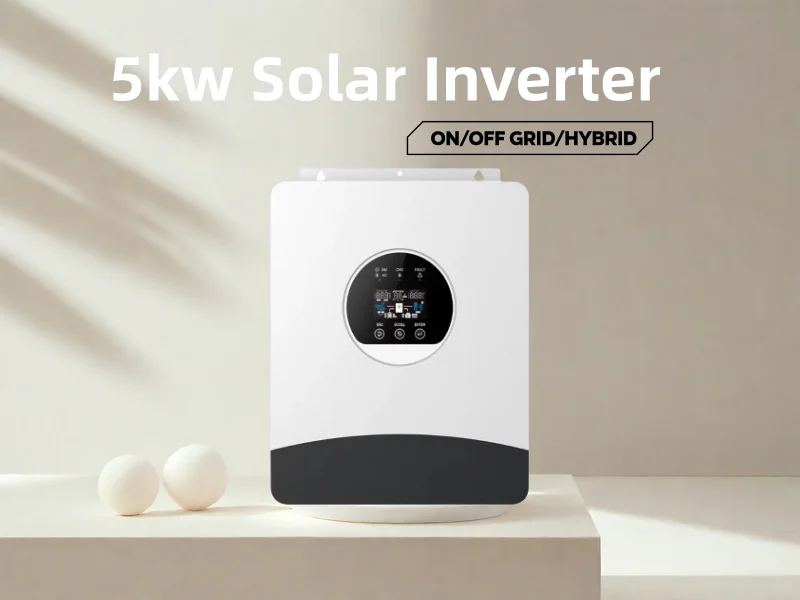
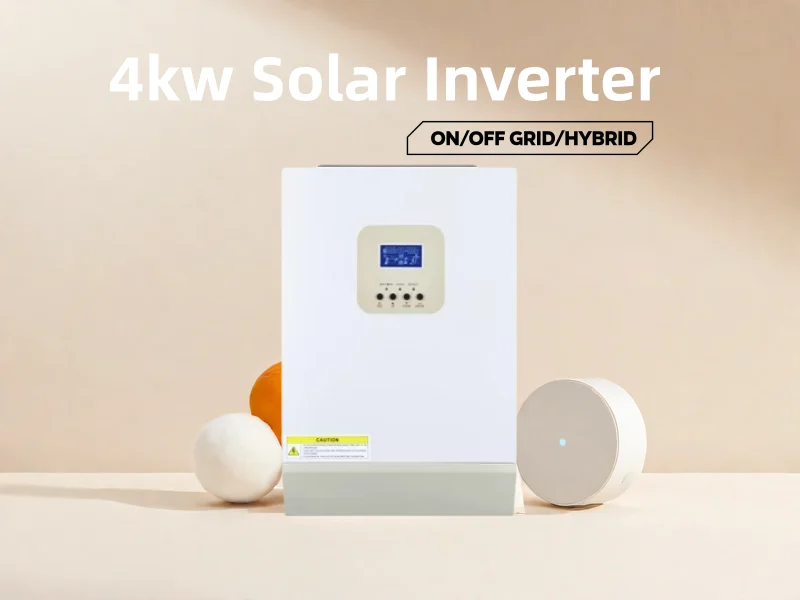
- A 7–8 kW panel array would thus often be paired with a 6 kW inverter.
- A 10 kW array commonly uses a 7.6–8 kW inverter
Why a little clipping is normally acceptable
The National Science Foundation–supported study Optimal Solar PV Sizing for Inverters Based on Local Conditions demonstrates that small lengths of inverter clipping only slightly affect the total annual energy production if systems are appropriately sized for their location. Energy lost during short peak periods is generally compensated for by higher efficiency and better inverter utilization across the rest of the year.
For this reason, small amounts of clipping are typically considered to be an indication of design optimized for cost rather than bad engineering.
Key factors that influence inverter size selection
The capacity of an ideal inverter depends on various site-specific factors that affect panel output directly.
Climate and Temperature
The NSF-supported research identifies temperature as one of the most important variables in sizing the inverters. Higher module temperatures in warm climates suppress DC output and decrease the probability that the panels will ever reach their nameplate capacity. In cooler regions, the panels operate closer to their nameplate rating, sometimes justifying a somewhat larger inverter.
Roof orientation and production profile
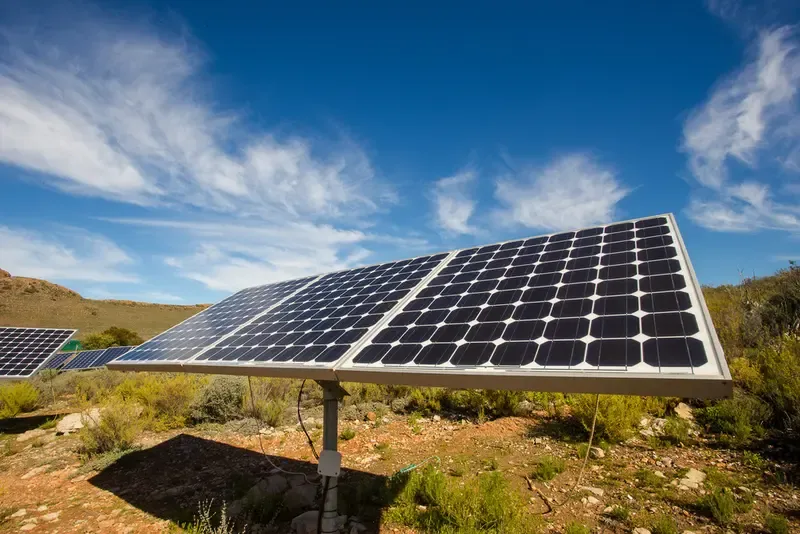
Seattle City Light installation guidance cited above notes that East-West oriented arrays produce a flatter power curve than South facing arrays. A flatter curve spreads production over more hours of the day, reducing mid-day peaks and allowing higher DC to AC ratios without significant clipping.
System expansion plans
Planning for future panel additions may have a bearing on the selection of inverter size; however, NREL guidance indicates that oversizing solely to allow for a hypothetical expansion of the system often means the equipment is underutilized. It is often less expensive in many instances to add capacity later using additional inverters or module-level electronics than to install excess inverter capacity upfront.
Oversizing vs undersizing: understanding the trade-offs
Oversized inverters
Oversized inverters reduce clipping, but they generally operate at low load for most of the year. NREL's system-level analysis shows that extended low-load operation can decrease average efficiency, along with increasing payback time without delivering proportional energy gains.
Slightly undersized inverters
Both municipal guidance and NSF-backed modeling indicate that mild undersizing improves cost efficiency while preserving nearly all annual energy production. This is why most modern residential designs favor modest inverter undersizing over exact capacity matching.
Does the inverter type change the sizing logic?
String inverters
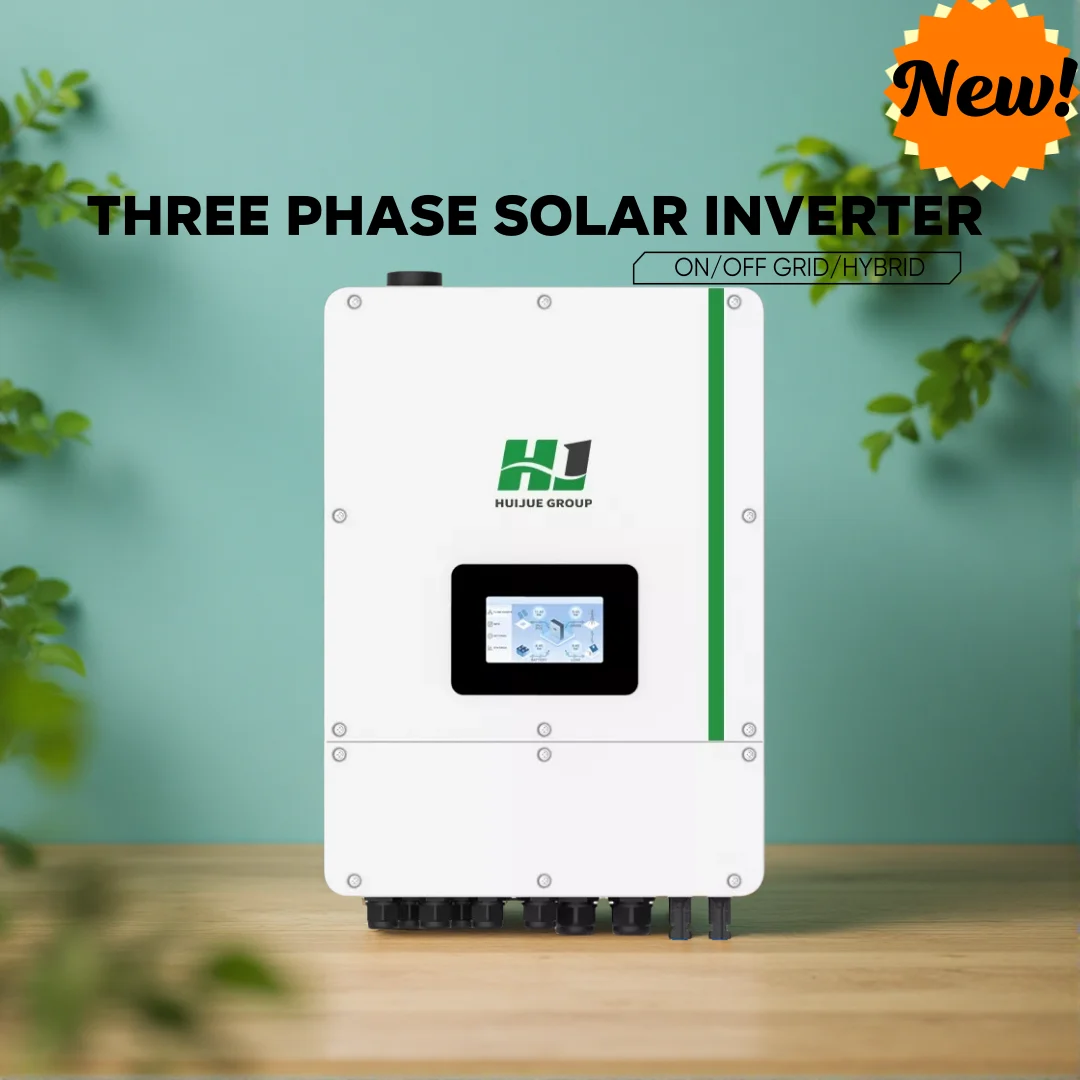
With string inverters, the focus of sizing decisions is on the total array capacity and overall production profile. The DC-to-AC ratio remains the central design metric.
Microinverters
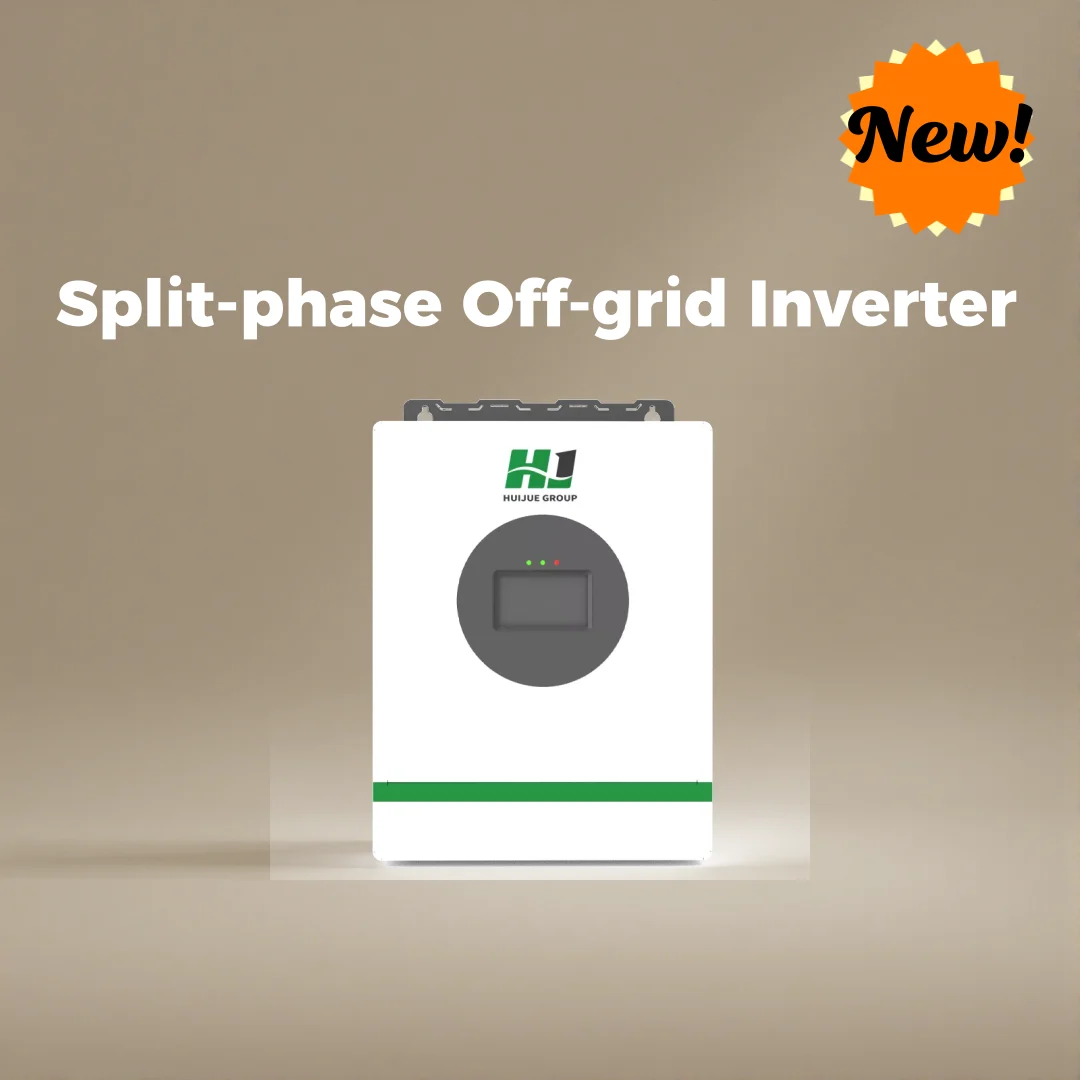
Microinverters push the decision to the panel level but again the principle remains the same. Individual microinverters are often rated below the panel nameplate output because rarely does a panel reach peak production for sustained lengths of time.


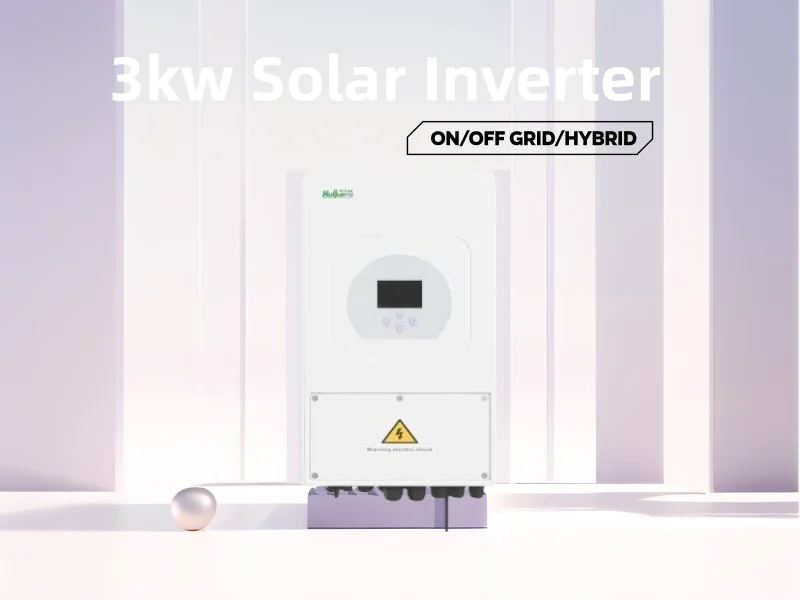
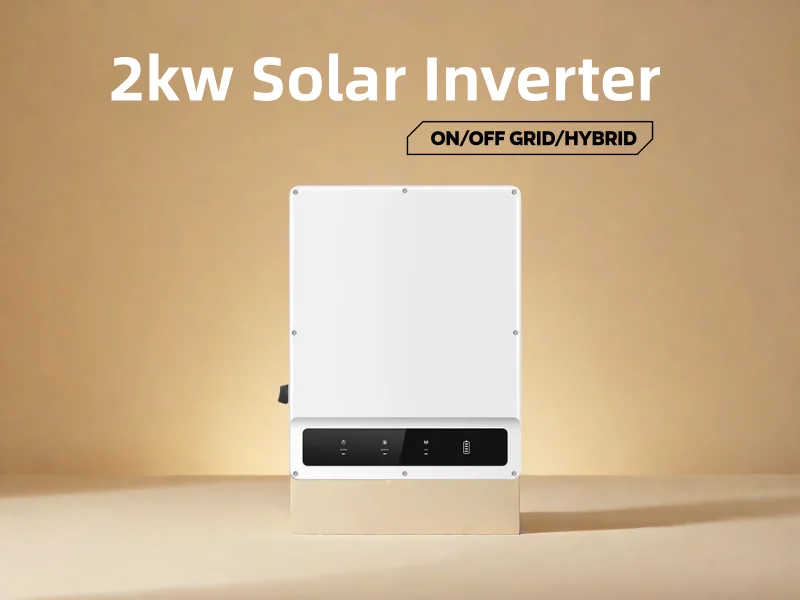
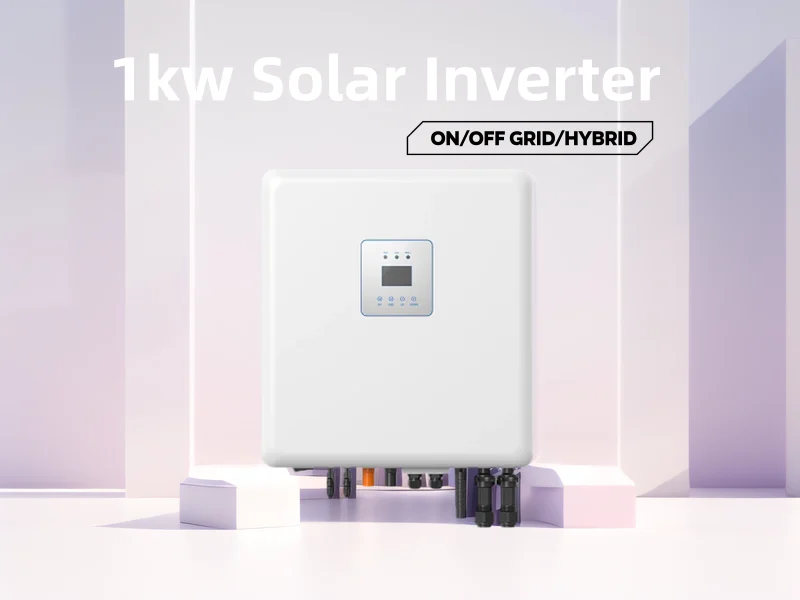
A simple inverter size guide you can actually use
Based on guidance from the government and academic research, here is what a practical inverter size guide for residential systems would look like:
- Calculate total panel DC capacity
- Times by 0.8–9
- Adjust slightly for climate, roof orientation, and expansion plans.
This approach is in line with those based on both NREL planning principles and NSF-backed optimization models, given the lack of requisite complex simulations.
selecting inverter size that makes sense long term
The best inverter size is not about matching numbers on spec sheets; it's about matching equipment to how solar panels actually perform across thousands of real operating hours. Evidence from national research, municipal guidance, and academic modeling consistently indicates that slightly undersized inverters yield better efficiency, stronger economics, and nearly identical annual energy output compared to perfectly matched or oversized systems.
If you focus on annual performance instead of peak moments, choose a realistic DC-to-AC ratio, and account for your local conditions, you'll wind up with an inverter size that works with your system—not against it.
About the Author