
Is a Solar System in Pakistan Worth It?
Not too long ago, going solar in Pakistan was a niche decision, one that was linked to environmentalism rather than economic rationale. However, the question today is a very pragmatic one indeed: as electricity prices rise and the reliability of the grid falls, many people find themselves wondering whether solar power has gone from being nice to have to being worth it.
In this article, we will seek to examine this very question from an official perspective, without any commercial interest in mind.
Why this question matters more than ever
The cost of energy in Pakistan has become both high and unpredictable. The monthly bills keep fluctuating, and there are frequent changes in tariffs, along with power outages in many regions. For residential consumers, this means that there are two challenges being faced simultaneously: the cost of energy and the uncertainty associated with it.
Solar energy becomes a part of this discussion not as a panacea but as a means to regain control over the situation. With a part of your energy needs being met through your own rooftop solar energy system, you are less affected by the volatility of the energy grid. This alone is the reason why the demand for home solar energy systems has gained momentum at such a rapid pace.
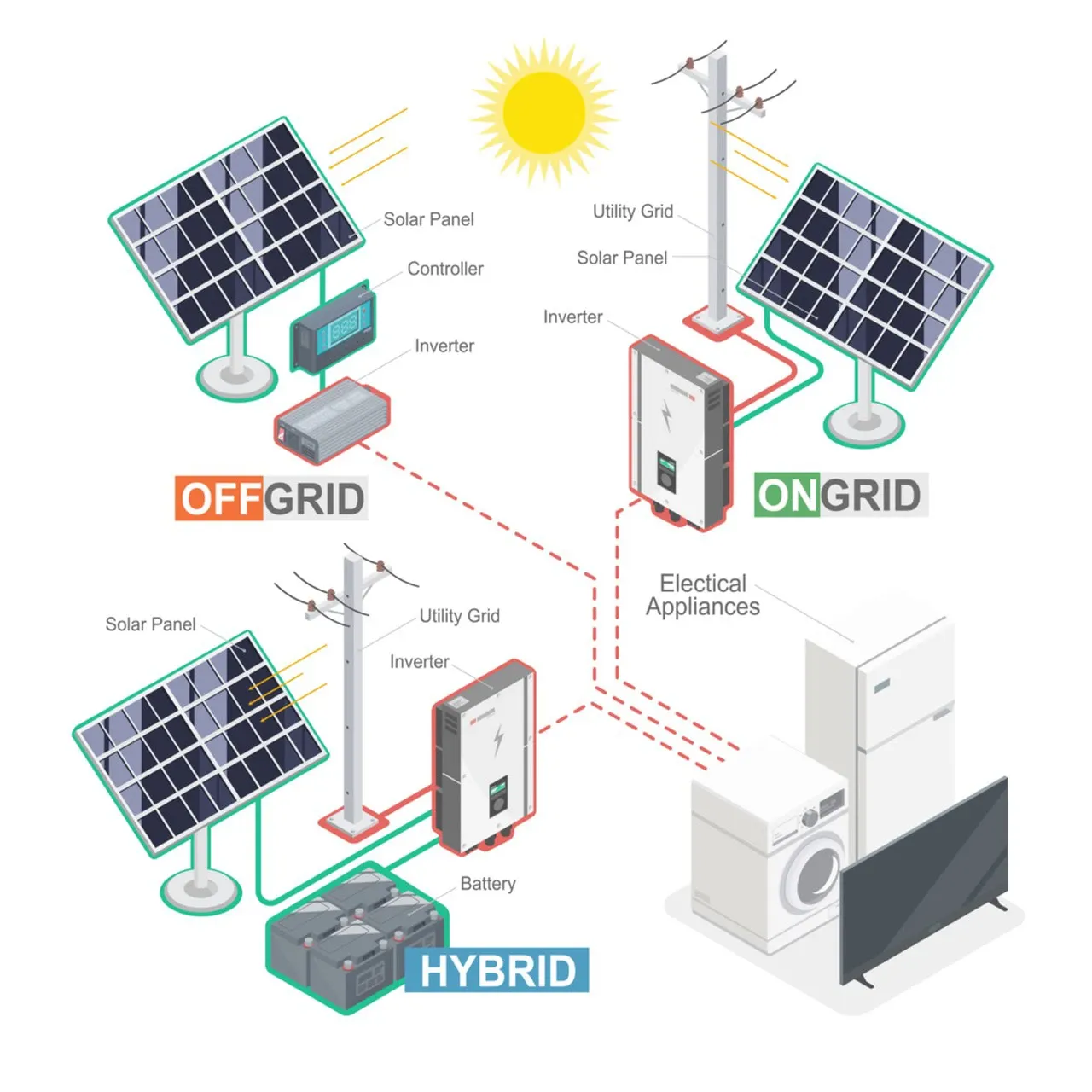
What official data says about solar adoption in Pakistan
Perhaps a good place to start is to look at whether people are actually putting in solar systems, as opposed to talking about putting them in.
The United Nations Framework Convention on Climate Change’s publication Pakistan’s Biennial Transparency Report (BTR) 2024 shows that Pakistan has recorded a sharp increase in renewable energy capacity in recent years, with solar photovoltaic systems accounting for a significant share of new additions, particularly through distributed and consumer-level installations. This matters because it confirms that adoption is being driven by households and small users, not only by large government or utility projects.
In terms of practicalities, a high level of adoption tends to suggest that things are at least economically viable for a large number of people.
The cost logic behind a home solar system in Pakistan
For most homes, the issue comes down to a simple calculation: The cost of electricity from the grid in the long term versus the cost of generating electricity in the home in the long term.
The cost of solar panel and solar inverter technology has come down over time, but so has the cost of electricity. Expertise in installation is no longer scarce, which has reduced the risks associated with installation.
The International Renewable Energy Agency’s publication Pakistan Statistical Profile (Renewable Energy) shows that solar power is among the most cost-competitive sources of electricity in Pakistan when compared with conventional fossil-fuel-based generation. Although households do not calculate levelized costs formally, the implication is straightforward: over the lifespan of a system, self-generated solar electricity can cost less per unit than grid electricity purchased at retail rates.
This is why many urban homes now have payback periods that seem realistic rather than aspirational. Once the payback period is over, the system continues to generate returns at a low cost.
Electricity bills and the value of predictability
One of the less talked-about benefits of having a solar system in Pakistan is not just cost savings but also certainty. For example:
The cost of an electricity bill can change suddenly because of a tariff or fuel price increase.
This unpredictability makes it hard for families to plan their budgets.
Having a solar system doesn’t make families entirely independent of the grid, but it gives them certainty about a part of their energy consumption cost.
This certainty changes how families view their solar systems from an investment risk to an investment certainty.
Reliability and Resilience beyond Cost Savings
The cost calculation of a solar system doesn’t take into account many factors because reliability is an important factor in how families make their decision to invest in a solar system.
For example:
Indirect costs of power outages, voltage fluctuations, or load shedding don’t show up in an electricity bill but can be very costly to families.
Solar power systems can greatly reduce families' exposure to these issues.
For families who work from home or have businesses, power outages are not just an inconvenience; they’re a significant problem.
How Pakistan’s solar market compares regionally
Looking at broader market trends helps contextualize individual decisions.
The REN21 Global Status Report 2025 Snapshot: Pakistan, published as GSR 2025 Snapshot: Pakistan, shows that Pakistan is among the faster-growing markets for distributed solar in its region, driven by strong solar resources and rising electricity demand. This regional comparison is important because it suggests Pakistan’s experience is not unique. Similar adoption patterns are visible in countries facing comparable energy and pricing pressures.
A growing market also tends to support better installer availability, more competition, and gradual improvements in quality standards, all of which benefit consumers over time.
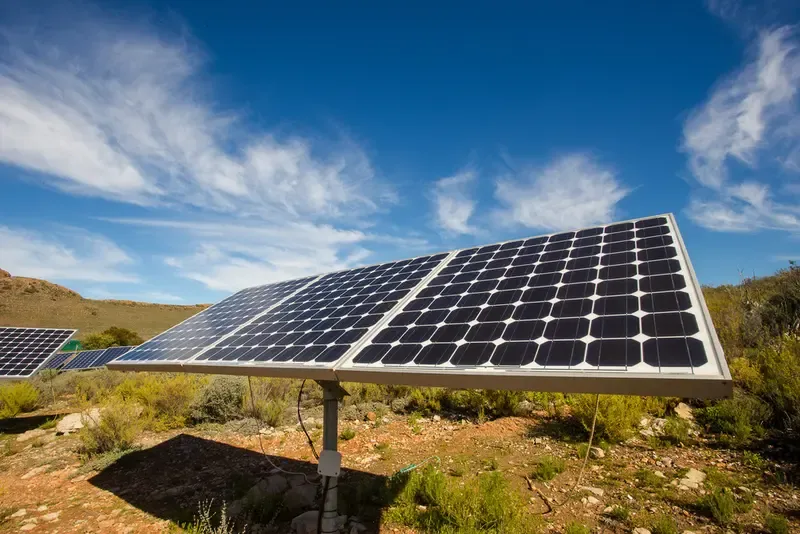
solar panels
Policy support and the importance of cautious system sizing
Government policies have been a factor in promoting solar adoption, especially with the use of net metering policies that enable the export of surplus energy to the grid. This has made solar a more viable option for many households.
However, the issue of policy changes and potential reforms creates uncertainty. For example, the rate of export, the criteria for eligibility, and the procedures involved may vary. For a household, this means that the design of the solar system is important. Solar systems designed based on the household's energy needs are less affected by policy changes compared to solar systems designed for the purpose of exporting energy to the grid.
Solar is still a viable option, but conservative assumptions can mitigate risks.
When solar clearly makes sense, and when it may not
Solar systems have been found to offer the best value to high-consumption families, particularly those using air conditioning equipment or having home offices. Even families with moderate consumption may benefit from solar water heaters. However, proper sizing of the system is important to avoid additional front-end costs.
In very low-consumption families, the viability of solar water heaters may not be attractive under current conditions. The physical constraints of solar water heaters must also be considered. The orientation of the roof, shading of the area, available space, and strength of the building structure must be realistically assessed.
Making a grounded decision
Prior to the installation of the solar system, it would be important to pose questions like: Is your electric usage stable? Are you planning on staying in your current residence for an extended period of time? Is your main goal to reduce your electric bill, make it more reliable, or both?
Solar systems are best suited for situations where the decisions are made on the basis of actual usage and not projections.
Final assessment
So, is a solar system in Pakistan worthwhile? The answer, for a growing number of homes, is yes, but not because it is trendy, but because it makes economic sense. The official figures reveal that adoption is going at breakneck speed, and it is getting more competitive.
If you are willing to do your homework, work with a good installer, and get a good-sized system, then a solar system can be a lifesaver financially. The question is no longer whether it works, but whether it works for you.
About the Author