
Is There a Tax on Solar Panels in Pakistan?
Applicability of Solar Panel Tax in Pakistan A lot of queries are raised on a daily basis about tax on solar panels in Pakistan from homeowners, business and importers side how much they will have to pay for the system What is the profit. Both, the policy year and component, and classification under customs rules, determine what you will owe in taxes—short answer, but detailed answer: it depends. Pakistan has also made some changes in the rates of import duty, sales tax, and exemptions to promote the use of renewable energy without compromising on financial obligations.
To get a full understanding of how the taxes are implemented, you must look at other than a simple yes and no question. While solar panels could be exempt, related products like inverters, batteries, racking systems and wiring can be taxed — increasing overall project costs.
How Pakistan For Tax Purpose Classifisoder solar systems
Pakistan’s customs system classifies imported goods using Harmonized System (HS) codes. Solar photovoltaic (PV) modules, cells, and related components are categorized under electrical machinery and energy equipment. Tax treatment can vary depending on whether the item is considered:
- Device to generate renewable energy
- An electrical device used in general or industrial applications
- A storage or balance-of-system element
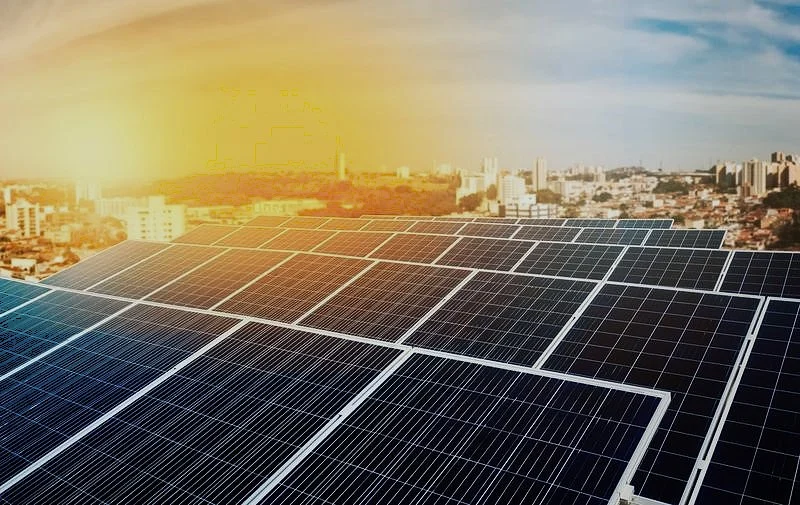
Solar Panels vs. Balance-of-System Components
A significant distinction of the policy is the solar panels themselves and the ancillary equipment.
- Solar panels (PV modules): are subject to preferential treatment or exemptions.
- Inverters: be subject to tax as electrical converters.
- Batteries: Generally subject to duty and sales tax.
- Installation frames and cables are harmonized under general construction or electrical products.
That’s why a “tax-free solar system” can still run you a lot in import fees.
Current Policy Direction: Promoting Solar Uptake
Pakistan has long suffered from energy deficits and massive fossil-fuel import bills. In consequence, to give them a boost, policymakers have at times slashed or eliminated taxes on renewable energy equipment.
The practical application of this is:
- There may be import duty waivers on solar panels in some Fiscal Years.
- A sales tax exemption may be applied to the renewable energy products.
- Legislation may be amended through annual finance bills or via general budget measures that differ in content every year.
These programs are intended to reduce the initial expense, so that solar energy becomes available to more homes and businesses.
Why Tax Policies Change Frequently
The tax treatment of solar equipment is not fixed. It can change on account of:
- Revenue and expenditure pressuresFiscal needs and tastes
- Policies to protect domestic production
- Energy security strategies
- International climate commitments
So this means current regulations should be checked prior to the purchase of equipment for importers and project developers.
Solar Tax’s Real Cost Impact in Pakistan
Even when solar panels are exempt from import duty, the overall system cost can be affected by tariffs on some of the other parts. Such as:
- Batteries sales tax can add hundreds of dollars to the cost of an off-grid system,
- Duties on inverters can add to the cost of commercial installations.
- Procedures for customs valuation may alter the tax due.
In a lot of cases, the taxes on the ancillary equipment add more to the total cost than the taxes on the panels themselves.
Policy Rationale Behind Solar Tax Relief
Taxation on renewable energy technologies is often lowered by governments to speed up its adoption.Lowering the cost of imports helps:
- Reduce electricity shortages
- Cut dependence on imported energy
- Encourage private investment in electricity production
- Support climate mitigation goals
The study titled Policy incentives for solar PV deployment in developing countries, published by Journal of Cleaner Production, shows that fiscal incentives such as tax exemptions and reduced import duties significantly increase solar adoption rates in developing economies.
This finding helps explain why Pakistan and similar countries periodically remove or reduce taxes on solar panels while maintaining taxes on other equipment.
Key Considerations Before Importing Solar Panels
- Regulatory Verification
- Component-Level Taxation
- Local Market Pricing
- Project Scale
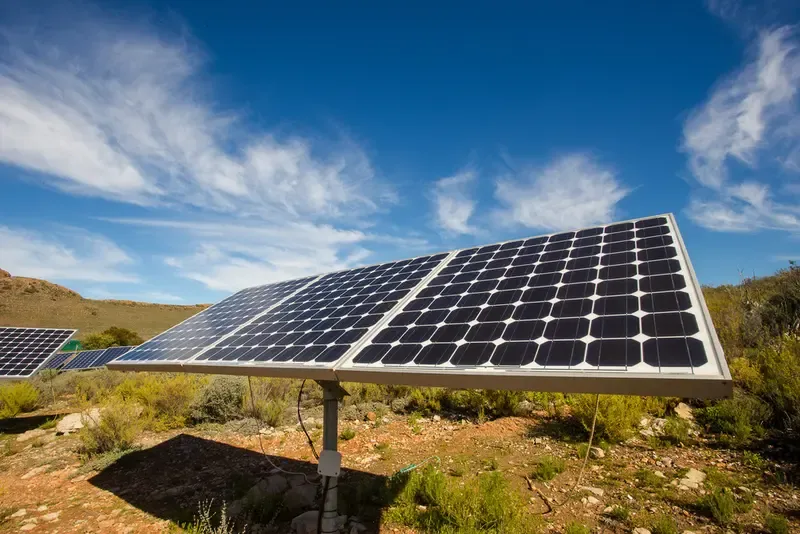
solar panels
Future Outlook for Solar Tax Policy in Pakistan
Pakistan’s long-term energy outlook points to further promotion of solar. But instead of blanket exemptions, the instruments of policy may turn out to be more targeted such as:
- Support for local manufacturing
- A sliding scale of tax rates that favors domestically produced goods
- Incentives for grid-tied versus battery-based systems
These changes are designed to equate the new growth of renewable energy with industrial.
What Buyers Should Expect
Is There a Tax on Solar Panel in Pakistan Is charged on Selling Charges and not the SOLAR PANEL TRADE RELATIONS There is no Orc tax on solar panels in pakistan etc.
Solar panels themselves usually receive tax breaks to incentivize renew energy, but other system parts are often taxable. Therefore, true cost to go solar is a function of a complete list of equipment, prevailing tax policy and customs classification.
For use in practical decision-making: check up-to-date customs regulations, assess taxes on a per-part basis, and solicit quotes detailed enough to separately show duties and sales taxes. This method gives a realistic cost and will prevent you from being surprised by cost during import or later when installing.
About the Author