
How many solar panels does a 1.5 Ton AC require?
When you want to power a 1.5 ton air conditioner with solar energy, a key question is how many solar panel units you'd need. That depends on a number of things: the AC's power draw, sunlight hours, panel wattage, and system efficiency. In this article, we will go through the logical deduction, assumptions, and real factors so that you are able to size a "solar + AC" system with clarity and confidence.
Understanding 1.5 Ton AC Power Consumption
Before finding out how many solar panels you need, you must know how much power the 1.5-ton AC consumes:
- A typical inverter AC of 1.5 tons consumes approximately 1.5 kW of power during full load operation.
- If this AC runs for 8 hours per day, the total energy consumption would be about 12 kWh/day.
- Actual consumption depends extensively on room insulation, ambient temperature, efficiency rating of AC, and how frequently it cycles on and off rather than running continuously.
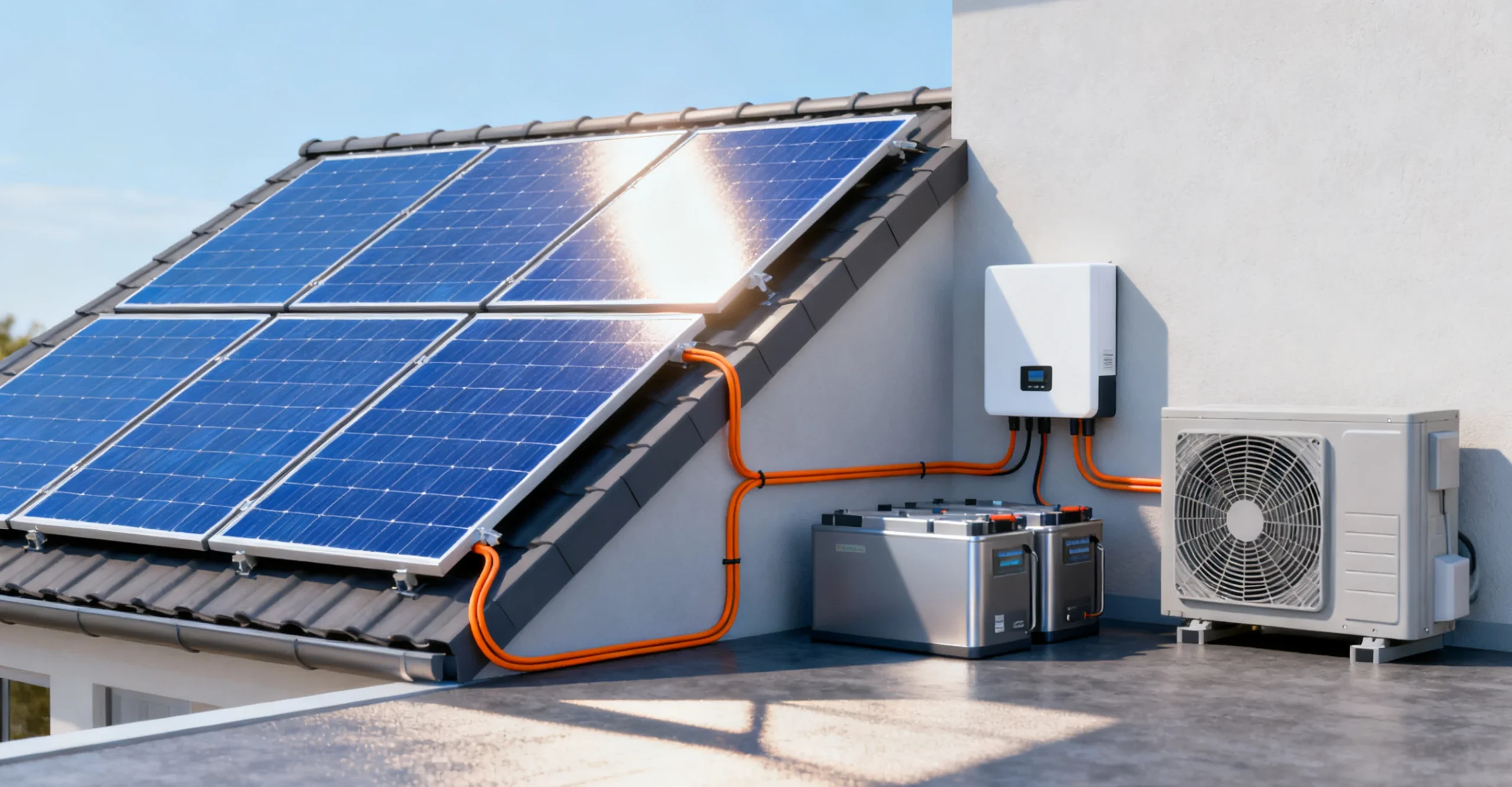
Thus, for the development of an AC solar system, design a daily production capacity that is equal to or somewhat more than the anticipated energy draw plus the losses in the inverter, wiring, and so on.
Basic Calculation: Solar Panels Needed
Here is a simple way to approximate how many solar panels you might require, based on some general assumptions:
- Estimate your daily AC energy need (Example 12kWh).
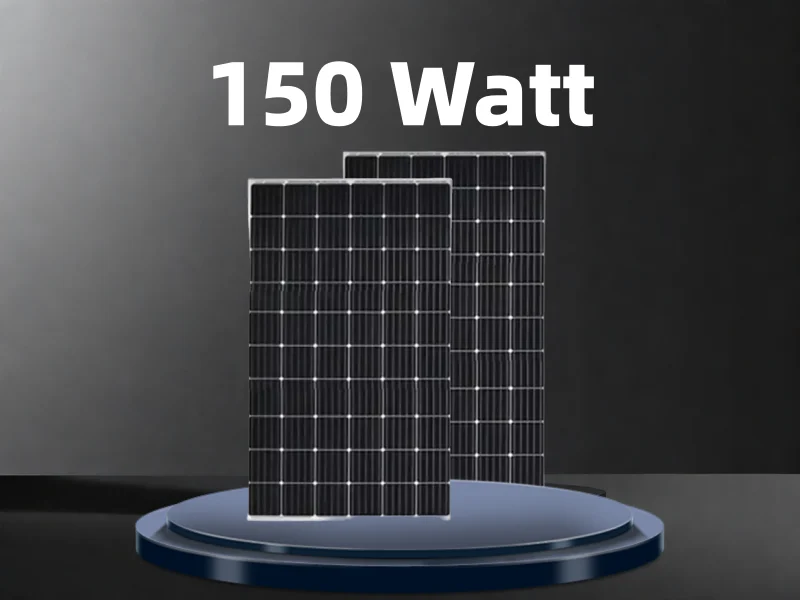
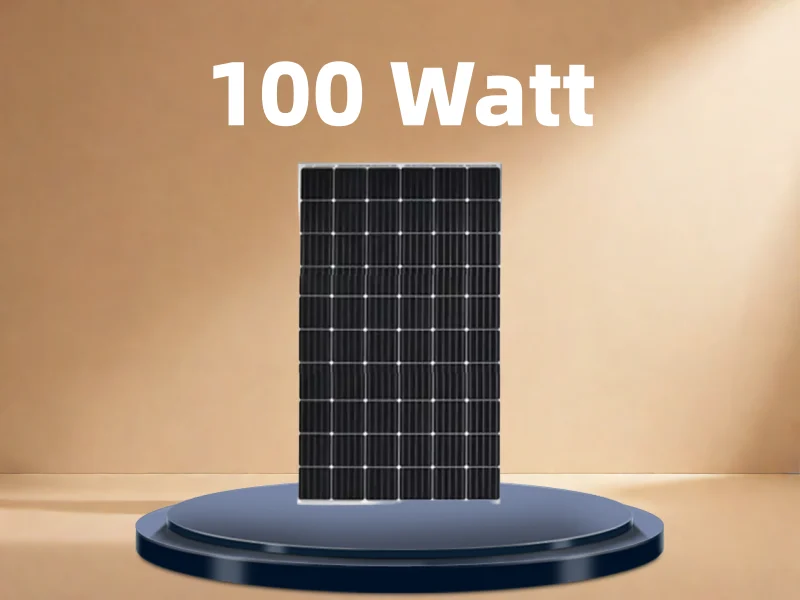
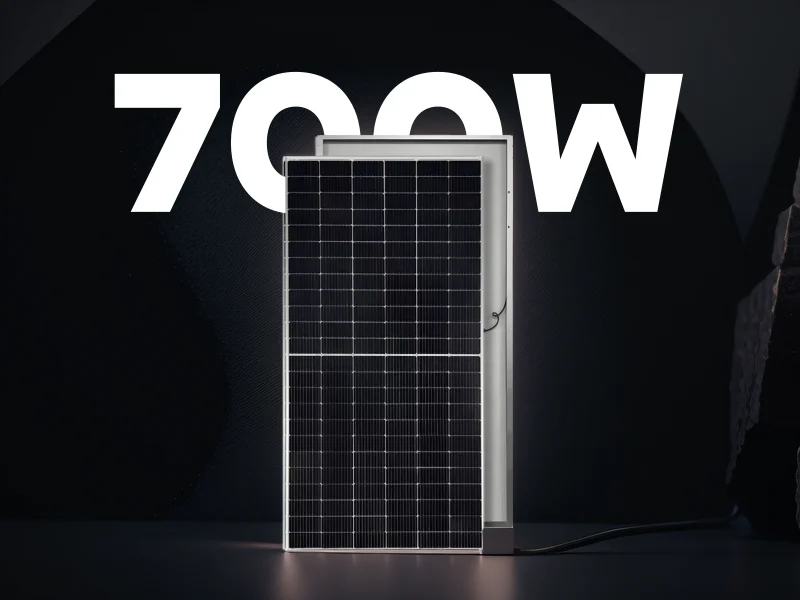
- Select panel wattage (e.g., 330 W, 440 W, 545 W).
- Estimate real-world panel output per day based on sunlight hours and system losses.
- Divide daily need by panel output to get the number of panels.
- Add a margin-in, say 15–20 percent-to account for losses and less-than-ideal conditions.
Example Calculation
| Panel Wattage | Assumed Usable Output per Panel per Day* | Panels Needed for 12 kWh/day |
| 330 W | ~1.4 kWh | ≈ 9 panels |
| 440 W | ~1.9 kWh | ≈ 7 panels |
| 545 W | ~2.3 kWh | ≈ 6 panels |
Usable output accounts for real-world factors that include temperature, shading, inverter and wiring losses.
From this table, for a system using 440 W– 545 W panels, one could say that it requires approximately 6–9 panels for operating a 1.5 ton AC every day with good sunlight conditions.
Factors That Affect Solar Panel Requirements
Sunlight Hours and Climate
More hours of sunlight per day translates to more energy produced per panel. Equatorial or tropical regions, which have longer daylight and higher irradiance, will offer better results than areas that often suffer from cloud cover or short days.
AC Usage Pattern and Efficiency
- How many hours a day the AC runs
- Whether it is inverter or conventional AC; inverter does tend to be more efficient.
- Insulation of the room and heat load-higher the heat load, harder the AC works drawing more power.
Panel Wattage, Quality and System Losses
Higher-wattage, high-efficiency solar panels reduce the number of units needed. On the other hand, real-world losses-inverter inefficiency, wiring losses, battery/storage inefficiency, and environmental factors-can reduce output by 10-25% compared with nameplate ratings.
Storage or Grid-Tie vs Day-Use Only
You need battery storage if you want cooling during evening or nighttime, and that adds conversion and storage losses. You may get by with fewer panels and no battery if the AC runs only during the day when the sun shines, but usage flexibility is limited.
Real-World Example: Solar Setup for Home in Sunny Region
Assume that, in 2024, a family living in a sunny area installs an inverter AC of 1.5 tons and couples it with a solar system of 500 W high-efficiency panels, and the average sunshine equals 5.5 peak sun hours per day. They size the system to produce approximately 14–15 kWh/day, considering losses/inefficiencies and occasional cloudy days. With each panel producing approximately 2.3 kWh per day in ideal conditions, the family installs six 500 W panels.
The system can cool without drawing from the grid over a hot summer week of daily heavy AC usage and will provide evening operation due to battery backup. That's indicative of how, under good planning and sunny conditions, solar power reliably supports 1.5 ton ACs.
When Solar Alone May Not Suffice
There are scenarios where solar + AC setup needs more capacity or hybrid support.
- Poor sunlight conditions — overcast weather, high dust, shading or short daylight — reduce panel output.
- Long Runtime AC: If the AC operates most of the day and night, energy demand for battery storage increases.
- High ambient temperatures: AC compressor works harder, increasing energy draw.
Large space or poor insulation — more cooling demand means more load.
You may need more panels in such a scenario, or combine solar with grid or generator backup.
Practical Tips for Sizing Solar Panels for AC
To enhance the likelihood of success with AC using solar, consider the following:
- Use high-efficiency, high-wattage solar panels. This minimizes the number of panels.
- Oversize the system slightly above estimated needs, such as +15–25%, to account for inefficiencies and poor weather conditions.
- If AC use includes night or evening, plan for sufficient battery storage or hybrid system.
- Proper inverter sizing and quality wiring will reduce losses in the system.
- Optimize AC usage: good insulation, efficient inverter AC, regular maintenance of filters, and sensible thermostat settings help reduce load.
Conclusion
Sizing a solar system to power a 1.5 ton AC depends on many factors: panel wattage, sunlight, AC usage, system losses, and more. As a rough guideline, modern high-wattage panels often require around 6–9 panels to meet typical daily cooling needs under favorable sunlight. For reliable performance, always incorporate a margin for inefficiency and environmental variations.
You can check our solar container and solar panel solutions if you're interested in solar panel systems optimized for air conditioning use.
About the Author