
Single Phase vs Split Phase Inverter: What’s the Difference?
It is imperative to have an understanding of what constitutes a difference in a split phase inverter and a single phase inverter as it relates to choosing an appropriate power conversion method. The split phase inverter functions with the intention of providing two AC signals that are phase shifted for use with heavy-duty appliances but remain compatible with residential standards.
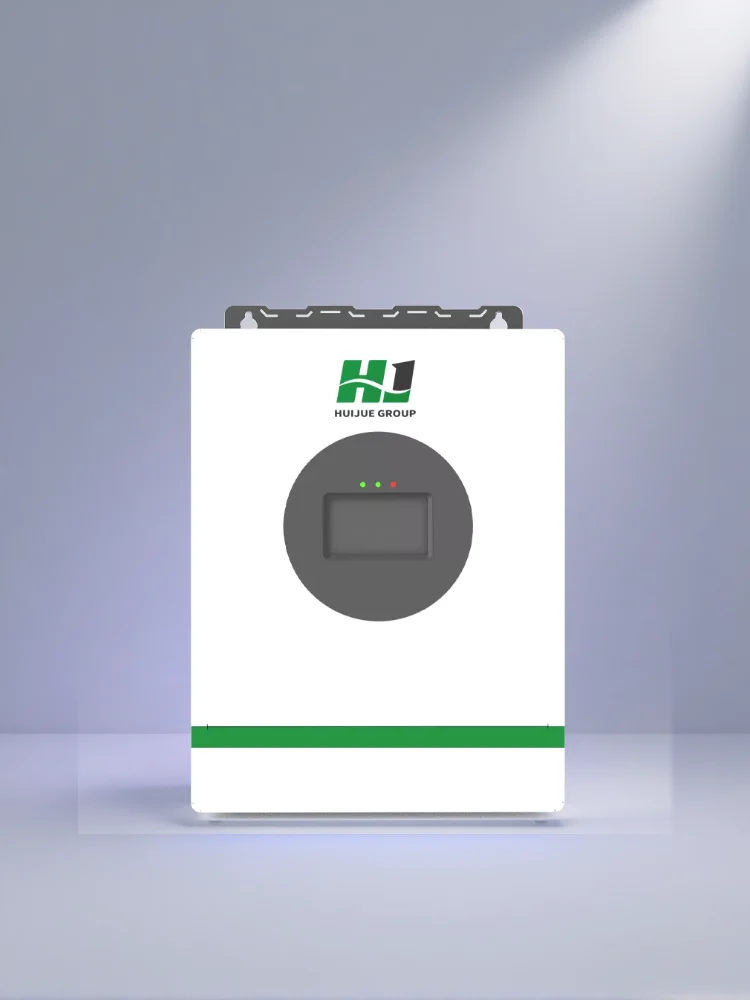
How a Single Phase Inverter Works
A single-phase inverter will produce an AC signal from DC with just one alternation. It consists of very simple components and can thus be widely employed as a residential loading solution or as a compact solar energy system. It would be easy to implement but will only offer a single AC signal line with no phase division. Hence, it would not be capable of handling heavy loads with high voltage.
Characteristics of power flow and performance
Single phase inverters employ an H-bridge or equivalent switching configuration. As it involves just an AC line, the current and voltage signals both rise and fall at the same time, so there will be inefficiencies if it powers an actuator with high-capacitive loading. It should be noted that academic reviews, like the performance review done at Aalborg University, show just how switching and modulation and structure affect single-phase operation.
How a Split Phase Inverters Functions
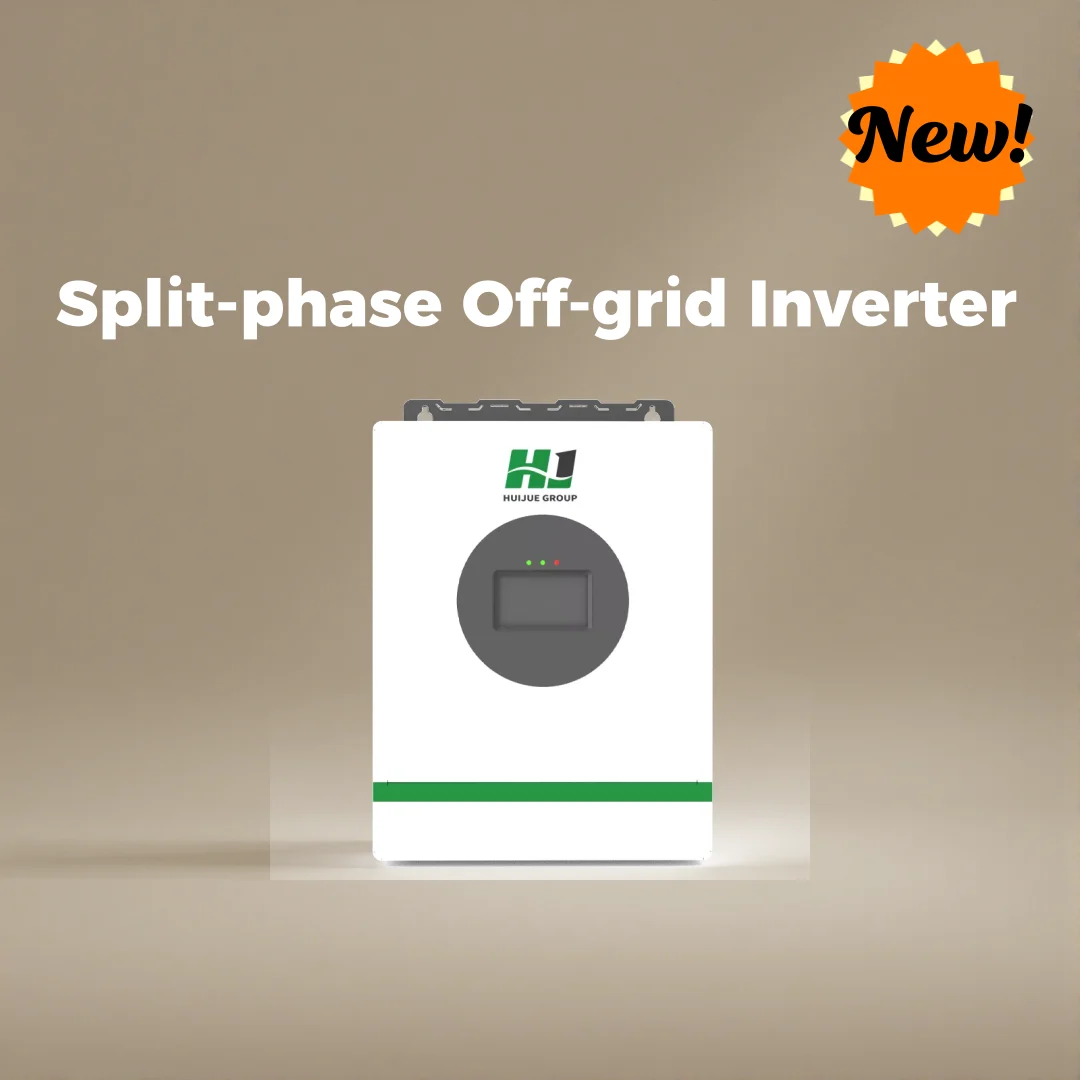
A split phase inversion produces two AC signals 180 degrees out of phase with each other. It effectively models a split phase source commonly found in residential and small business settings. The device can thus power typical low-voltage loads as well as high-voltage devices with a single unit composed of these two signals.
Why split phase output increases flexibility
As a result, due to opposite phases with different polarities, there will be a doubled voltage on the two lines compared to that on an individual line and neutral. It will enable delivering two voltage levels with a single configuration of an inverter. It meets the general concept outlined for polyphase systems based on interconnection of various phases resulting in better efficiency and balanced distribution.
Technical foundations
During split phase switching, precision control is achieved through switching cycles that carefully control timing between phases. Research on split source inverter topologies explains how modulation switching influences voltage and current performance on dual complementary outputs. These fundamentals have aided in stable operation despite varying loads.
Single Phase and Split Phase Inverters Comparison
Below follows a table summarizing technical and functional distinctions. All components are directly related to understanding without adding additional mass.
| Feature | Single Phase Inverter | Split Phase Inverter |
| Number of AC outputs | One AC line | Two AC lines 180° apart |
| Voltage Capability | Single voltage level | Supports two voltage levels |
| Load compatibility | Small residential loads | Both small loads and larger appliances |
| Efficiency with heavy loads | Lower | Higher due to phase structure |
| Use cases | Basic solar systems lighting electronics | Homes requiring dual voltage appliances small workshops |
Relationship to Three Phase Inverters
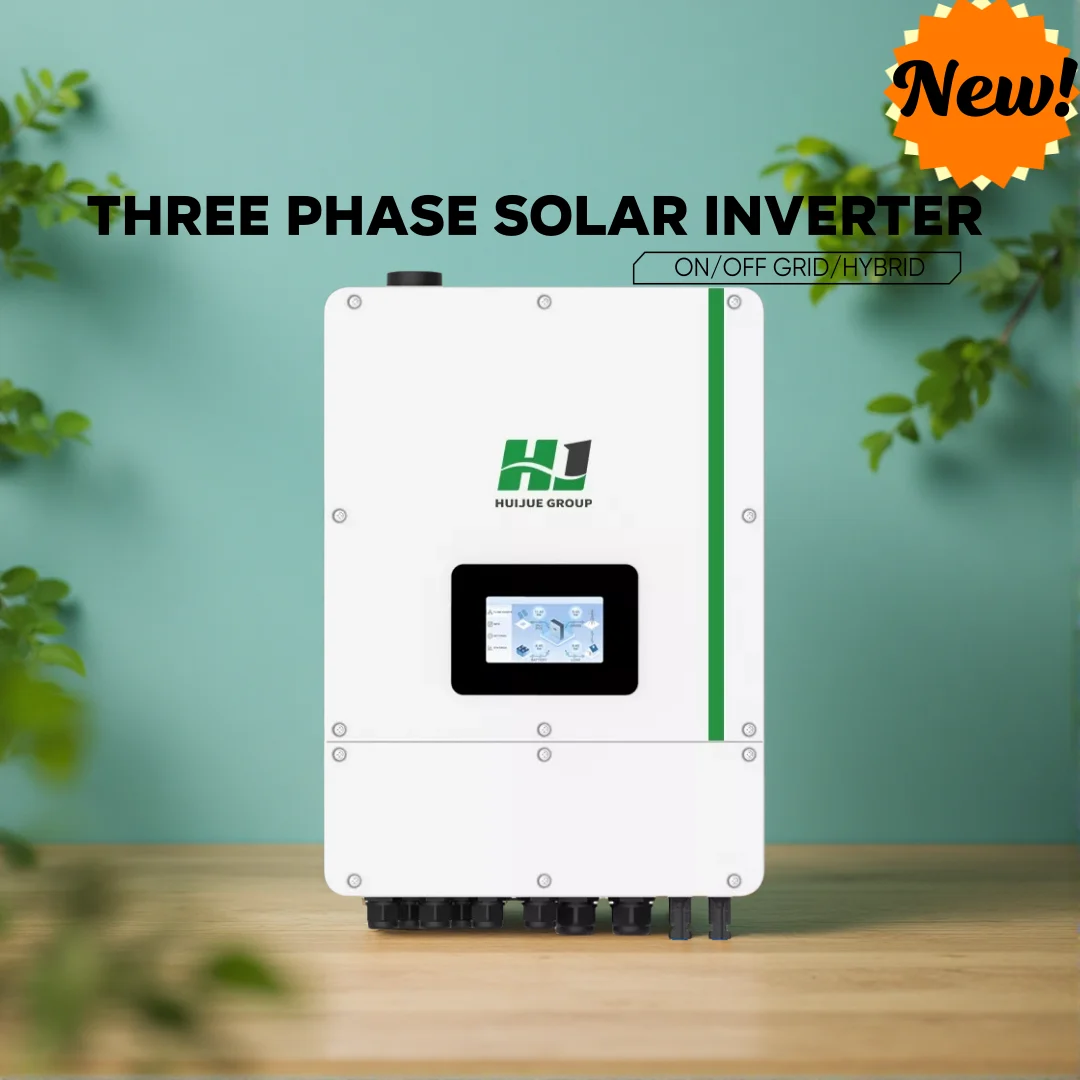
Although it is not what will be covered in this article, knowledge about three-phase inverters will help explain why split phase is an intermediary solution. A three-phase solution will offer three AC signals with a 120-degree shift and highly balanced power suited for heavy usage. A split phase solution does not offer as much efficiency and stability as three phases but a marked improvement on single phases.
When three phase becomes necessary
Also, three-phase inverters would be more applicable in instances requiring stable and high power with low vibrating forces, as with motors, compressors, and industrial uses. Although split phases will be applicable in covering large demands for medium scale needs, their two-phase system will not be capable of providing a smooth rotational field as created by three phases.


Real-World Case Studies
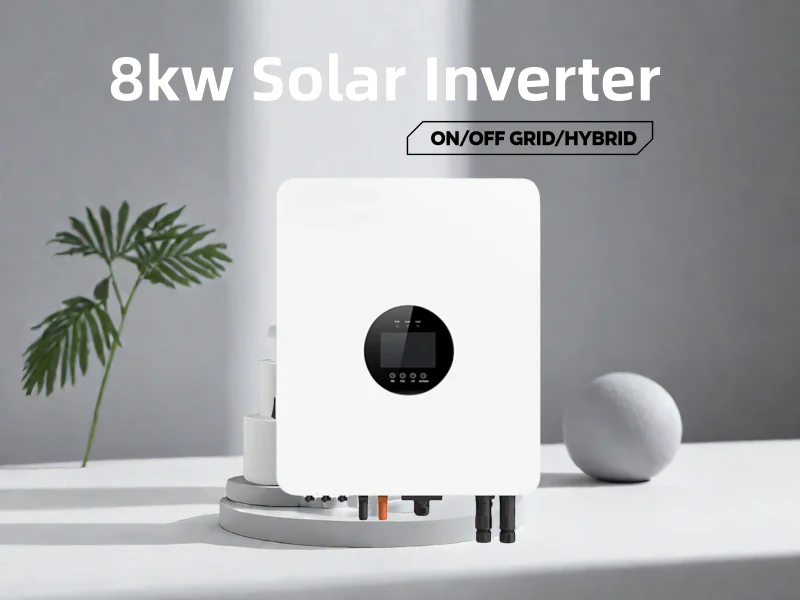
A residential user who switched from a small solar panel array to a larger energy storage system replaced a single-phase inverter with a split-phase inverter because he wanted to operate a heat pump and a well pump. The additional feature made it possible to deliver two voltage levels as required by the new appliances. Additionally, it ensured that there were no problems with high startup currents.
Texas The single-phase supplied woodworking shop installed a split-phase inverter to provide support for larger tools. The solution replaced the need for a full three-phase upgrade and enabled a safe usage of higher voltage components.
Single phase inverters are useful for low-power operation and support low-power consumption with single-phase AC, while split phase inverters operate with low and high voltage and allow larger loads with two AC phases. By considering these factors related to inverter configuration and your outputs, you can make an educated determination based on your needs for a new system or an upgrade. You might also be interested in more technologies on inverters with additional resources on our site.
About the Author