
What is the Solar Inverter Life Span and What Affects It?
The Solar inverter lifespan is one of the most decisive factors in the long term reliability and financial performance of any solar power system. While solar panels are widely known to operate for twenty five to thirty years, the inverter that converts direct current into usable alternating current normally has a much shorter operational life. For anyone investing in solar energy, understanding inverter life expectancy, inverter durability, and the typical inverter replacement cycle is essential for accurate planning.
Within the first hundred words of any serious discussion of system reliability, it becomes apparent that the inverter is not just another component-it's the electronic heart of the system and also the most vulnerable. Longevity in solar inverters is driven by heat exposure, electrical loading, grid stability, and internal design, as well as maintenance quality. This article sets out to explain how long inverters actually last, why their lifetime is shorter than that of panels, and what practical steps can extend inverter lifetime in the real world.
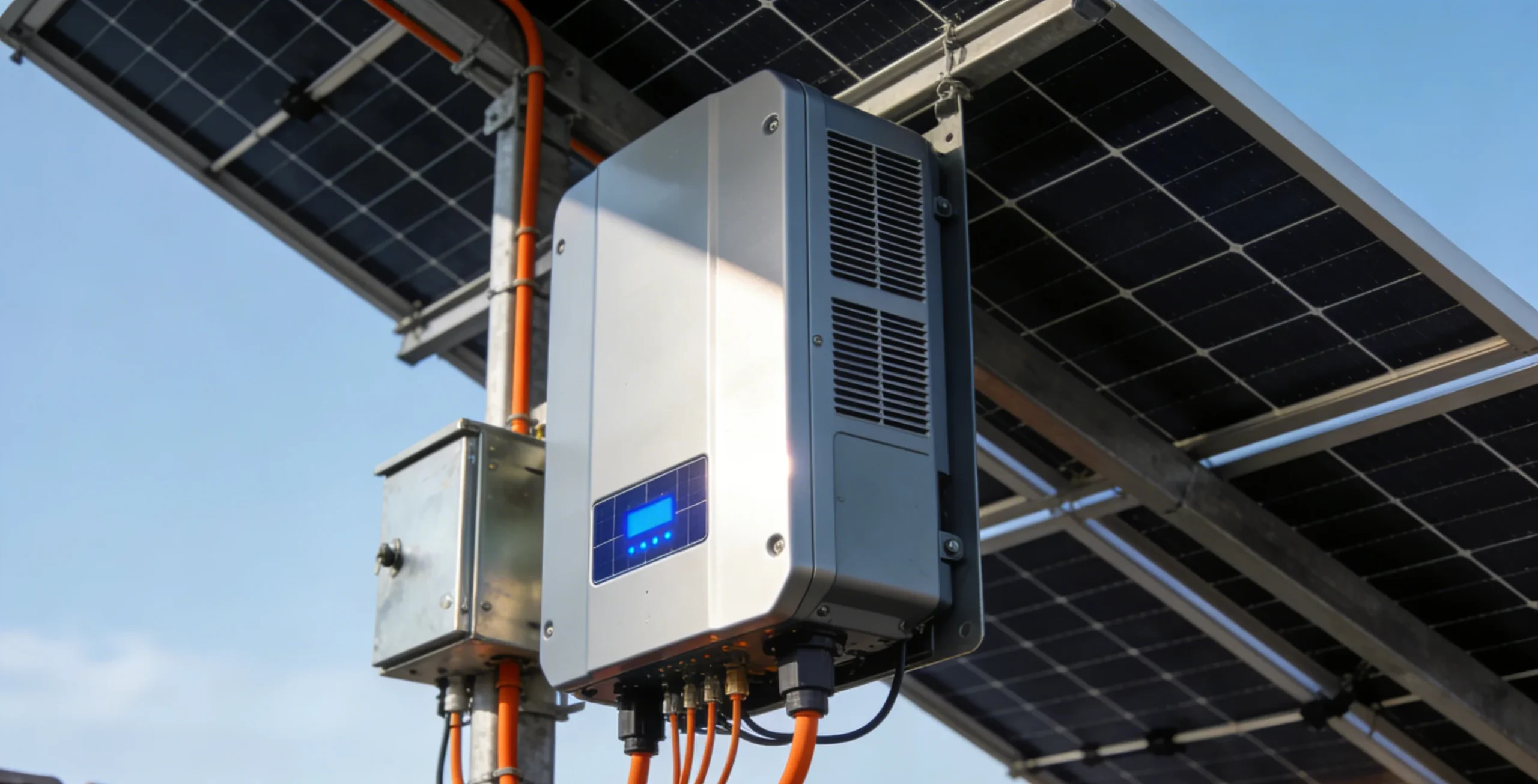
Typical Solar Inverter Lifetime in Real-World Systems
The rooftop residential and small commercial installations show the observed solar inverter service life to be between ten and fifteen years. This applies mainly to the standard string inverters and many hybrid inverters working with battery storage. Microinverters, operating at the module level, normally achieve a service life of up to fifteen to twenty years due to the fact that heat and electrical stress are distributed over many small units.
Depending on the site conditions and duty cycle, large commercial and utility-scale inverters may have equal or even shorter lifespans. High output machines running near rated power for long daily periods generally accumulate thermal and electrical stress more quickly.
The table below summarizes some common inverter types along with typical service life ranges. Dash symbols are used only inside this table for clarity.
| Inverter type | Typical lifespan | Common application |
| String inverter | 10 to 15 years | Residential and small commercial |
| Hybrid inverter | 10 to 15 years | Solar with battery systems |
| Microinverter | 15 to 20 years | Module level residential systems |
| Central inverter | 8 to 12 years | Utility scale solar plants |
These ranges reflect real operating data rather than warranty promises. In practice, actual inverter life expectancy may be shorter in harsh outdoor environments or considerably longer in controlled indoor installations with good airflow.
Why Inverter Life Expectancy is Shorter Than Panel Life
The fundamental reason for this is that inverter lifetime is shorter than the solar panel lifetime due to the nature of power electronics. Solar modules are essentially passive devices with no high-frequency switching and low internal heat generation. In contrast, the inverters depend upon semiconductor switches, control boards, and capacitors that operate under a constant electrical and thermal load.
The U.S. Department of Energy publication Extending Solar Energy System Lifetime with Power Electronics points out that power electronic components are structurally less durable than photovoltaic modules and most often a bottleneck regarding overall system life. That is the reason why extending inverter lifetime could be considered one of the most relevant technical challenges of modern solar engineering.
Every switching cycle within an inverter generates heat. Over a period of years and daily operation, repeated heating and cooling of internal components cause material fatigue, ageing of capacitors and gradual degradation of solder joints. This thermal cycling in even high-quality designs slowly erodes inverter durability.
Operating Conditions’ Impact on the Life Span of Solar Inverters
The actual solar inverter life observed in the field is determined far more by operating conditions than by the brand name on the enclosure. A number of environmental and electrical factors have consistently dominated inverter reliability outcomes.
Temperature and Ventilation
Heat is the most significant determinant of inverter life. An inverter installed in a shaded, ventilated location will generally outlast an identical unit mounted in direct sunlight or sealed in a poorly ventilated utility space. Even modest long-term temperature increases can dramatically shorten capacitor life.
Electrical Loading and Grid Quality
Inverters operating near a full-rated output for most of the day are exposed to higher internal stresses. Grid instability, voltage fluctuation, and frequent disconnection events impose additional corrective switching, accelerating wear on sensitive electronic components.
Installation Quality
Poor electrical connections, small-sized conductors, and poor grounding generate local heating and electrical noise. These situations usually result in premature inverter failures much before the designed lifetime is reached.
Maintenance and Monitoring
Continuous monitoring systems often detect abnormal temperature rise, declining efficiency, or repeated fault events years before the occurrence of a catastrophic failure. Timely fan replacements, dust removal, and firmware updates directly support longer inverter lifetime performance.
Inverter Replacement Cycle and Long Term Financial Planning
In financial terms, this inverter replacement cycle is one of the most predictable long-term ownership costs in solar energy. Unlike panels, which are normally replaced once in several decades, most solar systems will require at least one inverter replacement throughout their operating life.
This trend is most pronounced at utility-scale plants. A Sandia National Laboratories Utility Scale Grid Tied PV Inverter Reliability Workshop Summary Report detailed how inverter failure modes dominate maintenance activity in large installations even when professional monitoring and scheduled service programs are in place. In practice, inverters remain among the most frequently serviced and replaced components in utility-scale solar systems.
For homeowners, this means long-term return calculations should always include funds for one major inverter replacement and potentially a second if the first inverter fails early. This transforms solar from a short-term investment calculation into a realistic multi-decade financial plan.


How Inverter Design Affects Durability and Lifetime
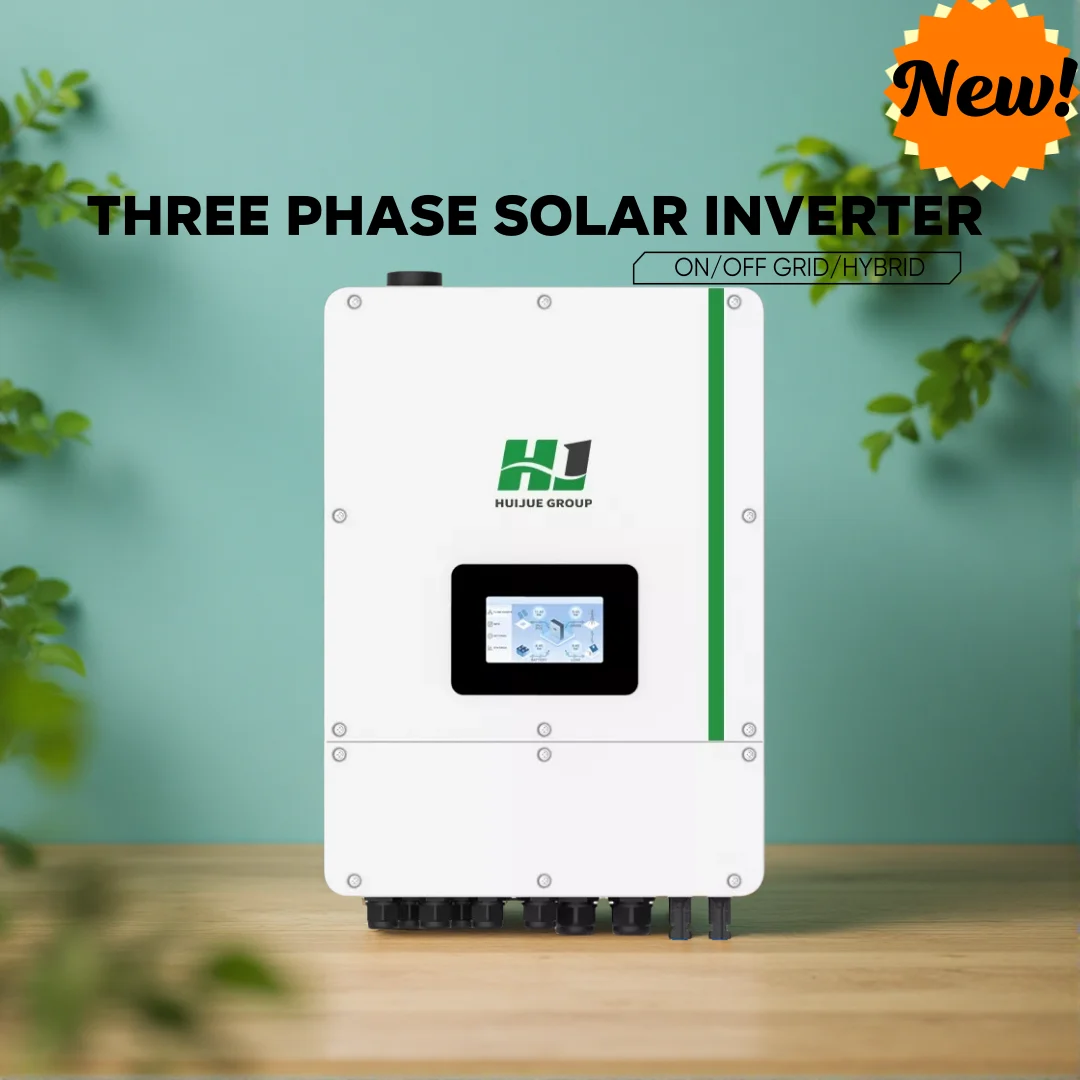
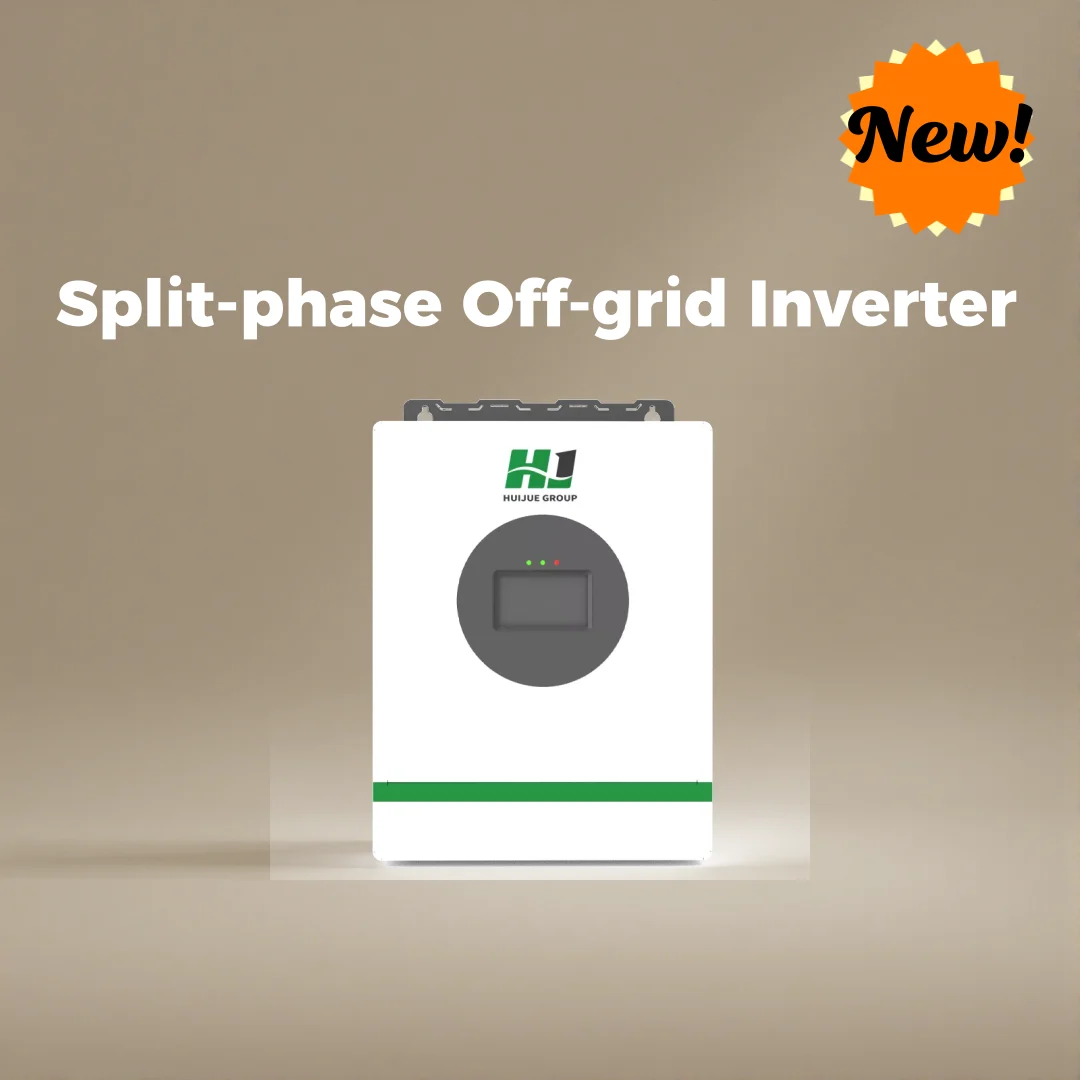
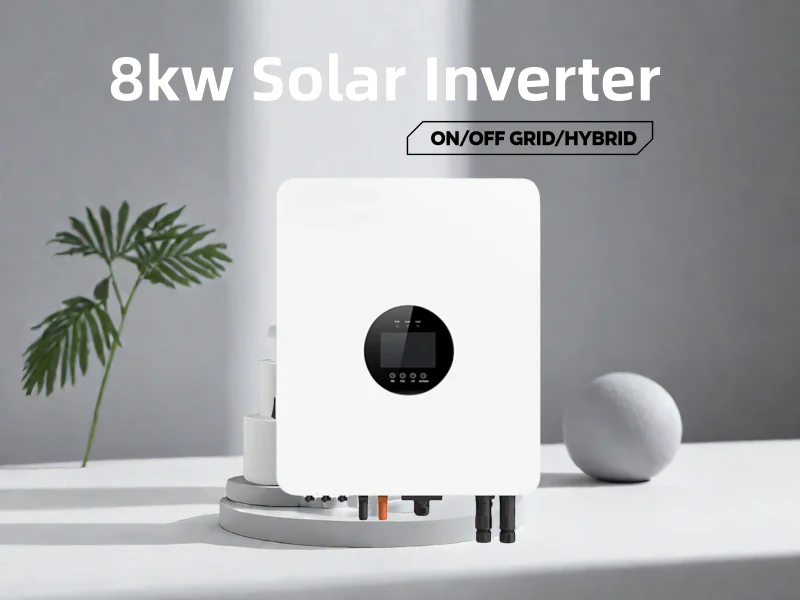
The internal architecture of an inverter does have a measurable effect on the inverter's longevity. Advanced switching topologies distribute voltage and current stresses more uniformly over semiconductor devices, which minimizes hotspots and electrical fatigue.
The MDPI Energies Comparative Evaluation of Lifetime of Three Level Inverters in Grid Connected Photovoltaic Systems provides an in-depth academic reliability analysis. This is a peer-reviewed study which models variations in how inverter topology affects the thermal loading and predicted operational lifetime in grid-connected photovoltaic systems.
Newer semiconductor materials like silicon carbide enable operation at higher temperatures while creating fewer electrical losses. These materials allow for a longer lifetime of inverters under demanding conditions, even though they cannot fully eliminate the fundamental vulnerability created by high-frequency switching and thermal cycling.
Warning Signs That an Inverter Is Nearing Its End of Life
Most inverters provide advance warning before complete failure occurs. Recognizing these early symptoms allows for planned replacement rather than emergency downtime.
The more common symptoms include recurring grid fault messages, frequent shutdowns on hot days, noticeable declines in conversion efficiency, and noisier-than-usual cooling fans. Systems equipped with display screens may have repeated temperature-related or DC bus instability alerts. For monitored systems, one of the earliest signals that inverter aging has begun to impact energy production is the performance ratio.
Ignoring these symptoms can lead to sudden system outages during periods of peak solar generation, which directly impacts financial returns.
Practical Ways to Extend Solar Inverter Longevity
Extending the life of solar inverters does not require complex engineering intervention; practical installation and operating choices can deliver the most significant results.
First, choose shaded and well ventilated mounting locations whenever possible. Outdoor inverters benefit greatly from walls that receive minimal direct sun exposure. Second, properly size conductors and overcurrent protection to minimize resistive losses and internal heat generation. Third, periodic visual inspections should be made to ensure that air intakes remain free and that cooling fans are operating properly.
Another wise approach would be to avoid continuous operation at extreme over-sizing ratios, unless the inverter is specifically designed for heavy clipping workloads. By moderating electrical stress, it will directly improve inverter life expectancy.
Common Myths About Solar Inverter Lifespan
A very common misconception is that an inverter which costs more necessarily means decades of operation. While build quality counts, environment and usage dominate real inverter lifetime. Another common myth is that a failing inverter can always be repaired for a low cost. In reality, once the power electronics have degraded beyond a certain point, full replacement is usually more economic and reliable than repair.
Some owners also assume that the inverter warranty reflects real operating life. In practice, warranties provide legal protection but do not change the physics of heat and electrical fatigue which control inverter life.
Planning for Inverter Lifetime in a Complete Solar Strategy
Such a resilient solar strategy will integrate inverter replacement planning at the very outset, including choosing an inverter that matches system size closely, making proper ventilation, budgeting for a future replacement, and installing monitoring tools that track long-term performance trends.
By being realistic about the life expectancy of inverters, owners protect both system uptime and financial performance in solar ownership. Yes, the panels may last for decades, but the inverter defines how consistently that energy can be delivered to the home or grid.
Conclusion
The actual life of a Solar inverter is determined by heat, electrical stress, installation quality, and design rather than by nameplate rating. Most residential inverters provide dependable service for ten to fifteen years, while superior designs and favorable environments can push that limit higher. By understanding inverter replacement cycles, recognizing early failure signals, and applying simple longevity practices, system owners can avoid unexpected downtime and control long-term costs. The next practical step for you would be to assess your inverter installation conditions and monitoring data in order to form a realistic expectation of its remaining operational life-and accordingly plan for that reality.
About the Author